

Choosing an Arched Top Wooden Gate for Your Home
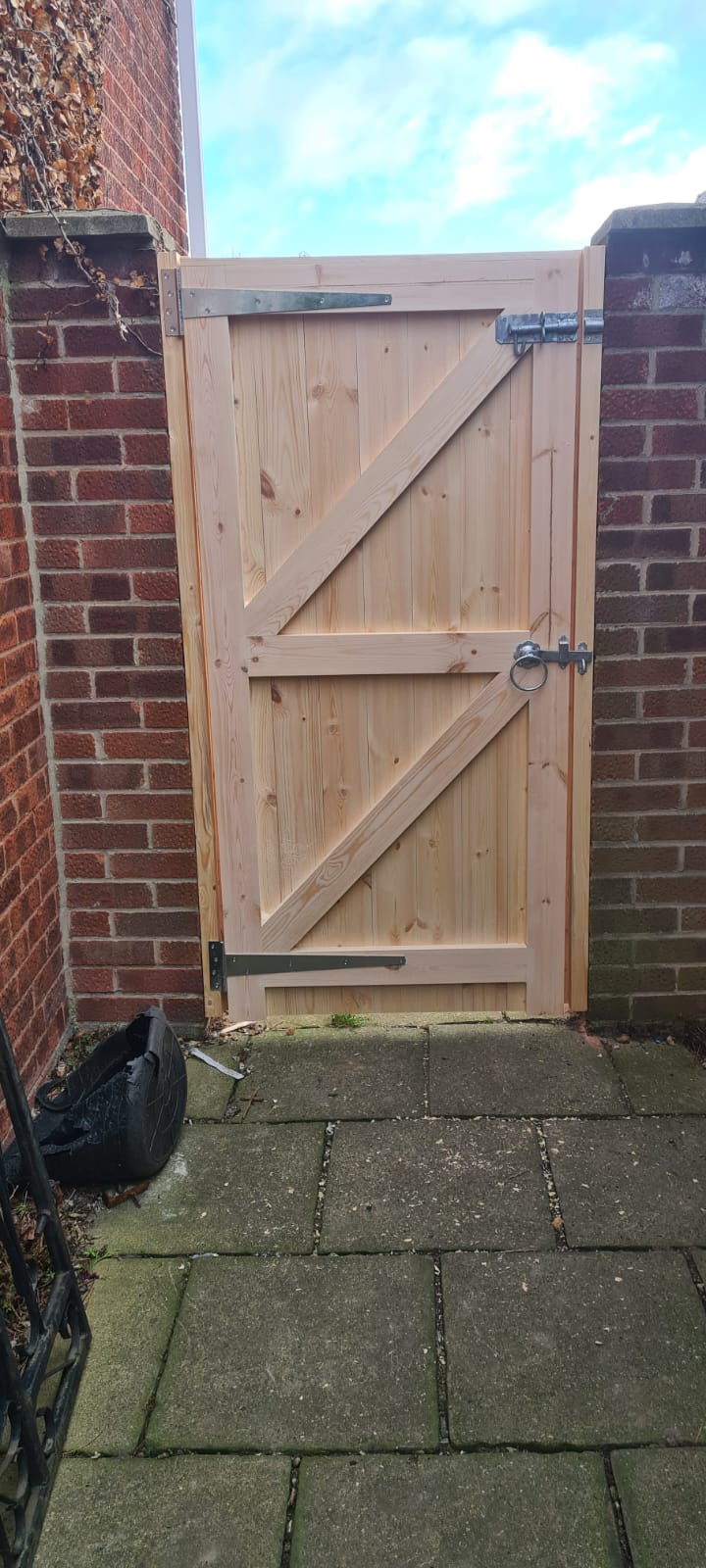
An arched top wooden gate does more than close an opening. Set between solid posts, it gives a driveway or garden entrance a proper sense of arrival, softening the straight lines of fencing, brickwork and paving without looking overworked. It is a traditional shape that suits a cottage, period terrace or newer family home equally well - provided the gate is made to fit the space and built to cope with British weather.
The curve may be the first thing people notice, but it should not be the only thing you choose on looks. The right width, the right opening arrangement, dependable joinery and a suitable finish will decide whether a gate remains a feature of the property or becomes another job on the maintenance list.
Start with the opening, not the catalogue size
A made-to-measure gate begins with accurate measurements. Measure the clear gap between the posts or brick piers at the top, middle and bottom, as older walls and timber posts are not always perfectly parallel. Use the smallest measurement as the working width, then allow for hinge clearances and the gap between two leaves where required.
Height deserves the same care. An arched top adds height at the centre, so check for overhanging branches, sloping ground and any obstruction behind the gate. If the gate opens inwards across a driveway, make sure there is adequate room for it to swing freely. Where a public pavement sits close to the entrance, an inward-opening arrangement is usually the sensible choice.
For a pedestrian entrance, a single gate is often neat and practical. Wider driveways are generally better served by a pair of gates, as two manageable leaves place less strain on hinges and posts than one very wide, heavy gate. The proportions matter too: a shallow arch on a wide pair of driveway gates can look calm and substantial, while a more pronounced curve may suit a narrower garden gate.
What makes an arched top wooden gate last?
A gate spends every day outside. It is exposed to rain, low winter temperatures, summer sun, movement in the ground and the repeated pull of its own weight. Good construction is therefore not a decorative extra. It is the basis of a gate that stays square and operates properly.
Look for proper mortice and tenon joints rather than joints that rely only on screws or staples. A well-made mortice and tenon joint locks the rails and stiles together, helping the frame resist the sagging and twisting that can develop over time. Hardwood dowels add further mechanical strength, while D4 exterior-grade adhesive is designed for the damp conditions an external gate must endure.
At Premier Timber Gates Ltd, handmade gates are made from engineered timber rather than basic pressure-treated softwood. Engineered timber is formed to improve stability, reducing the natural movement associated with solid sections of timber. It offers a strong, attractive and cost-conscious alternative to hardwood, particularly for homeowners who want a gate built for the long term without moving into premium hardwood pricing.
No timber gate is entirely maintenance-free, and any supplier suggesting otherwise is not giving the full picture. Timber responds to its surroundings. The aim is to choose sound material and construction that manage movement well, then protect the surface so moisture is less able to enter.
The arch should be more than a thin decorative cut
A properly formed arch needs enough substance around it to retain strength and visual balance. On framed ledged or boarded designs, the top rail and infill should follow the curve cleanly rather than leaving weak, narrow sections at the shoulders of the arch. The result should look deliberate from both sides of the entrance.
Consider the view through the gate as well. A solid boarded design brings privacy and can help screen bins, gardens or driveways. Open-spaced designs allow light and air through, making them a good fit where the boundary should feel less enclosed. There is no universal best choice: privacy, security, wind exposure and the character of the property all play a part.
Choose a design that suits the property
The arched top is flexible enough to work across several gate styles. A vertical boarded gate with a rounded head has a solid, traditional appearance and works particularly well for side access and enclosed gardens. A picket-style gate feels lighter and can be well suited to front paths or cottage gardens. For a driveway, a framed pair with shaped top rails gives a more formal, substantial finish.
Try not to select a design in isolation. Look at the existing fencing, the brick colour, the style of the front door and the age of the house. A highly ornate gate can feel out of place against a simple modern boundary, while a plain square-topped gate may look severe beside an older property with arched openings and softer details.
The gate posts are part of this decision. Strong, correctly sized posts are essential, especially with tall or wide driveway gates. A handsome gate hung from undersized or poorly fixed posts will soon fall out of alignment. If existing posts are timber, inspect them at ground level for softness or decay before ordering a new gate. Replacing posts at the same time is often the more economical decision than fitting a new gate to a weak foundation.
Ironmongery is where daily use is won or lost
A gate can be beautifully made and still disappoint if its hinges, latch and fixings are inadequate. The hardware must suit the gate's size, weight and use. For a substantial driveway gate, adjustable hook and band hinges provide dependable support and allow for later adjustment as the timber settles. A pedestrian gate may use lighter fittings, but they should still be weather-resistant and fixed securely.
For an entrance used many times a day, think about how it will feel in practice. A thumb latch is traditional and straightforward. A long throw gate latch can be operated from either side of a closed gate, which is useful where access is frequent. A locking option may be appropriate for side passages, rear gardens or driveways, though a lock should support sensible boundary security rather than be treated as the sole protection.
Choose the finish of the ironmongery with the wider property in mind. Black fittings are a natural match for timber and suit most traditional gates. Galvanised hardware offers strong corrosion resistance and can be a practical choice in exposed locations. Coastal areas and particularly wet sites deserve extra attention, as salt and persistent moisture are hard on every external fitting.
Finishing and maintaining timber properly
A primer and topcoat system, or a suitable exterior oil, gives the timber its first line of defence. The best choice depends on the look you want and the level of upkeep you are prepared to take on. Paint provides strong coverage and can tie the gate into window frames, fencing or exterior joinery. Oil allows more of the grain to remain visible and can be easier to refresh locally, but it may need more regular attention in exposed areas.
Whichever route you choose, coat all faces and edges before fitting where possible, including the bottom edge and areas behind hardware. These are the details that are easily missed once a gate is hung, yet they are often the places where water gains a foothold.
Inspect the gate once or twice a year. Clear soil and leaves away from the bottom edge, check that hinges remain tight, and look for damaged paint, dry patches in oil or early signs of movement. Small repairs made promptly are straightforward. Left through several wet seasons, they become larger jobs.
A gate worth ordering to the right size
Off-the-shelf gates can be useful for standard openings, but an entrance is rarely standard for long. Uneven piers, non-standard heights, sloping ground and the need to match existing fencing all make bespoke sizing worthwhile. A correctly proportioned arched top wooden gate looks as though it belongs to the property because it was made for that property.
Take the time to measure carefully, choose construction that will stand up to daily use, and specify ironmongery and a finish that match the location. The reward is not simply a better boundary. It is the quiet satisfaction of opening a well-made gate that still feels solid, looks right and does its job season after season.


Comments