

What Makes Quality Timber Gates Last Longer?
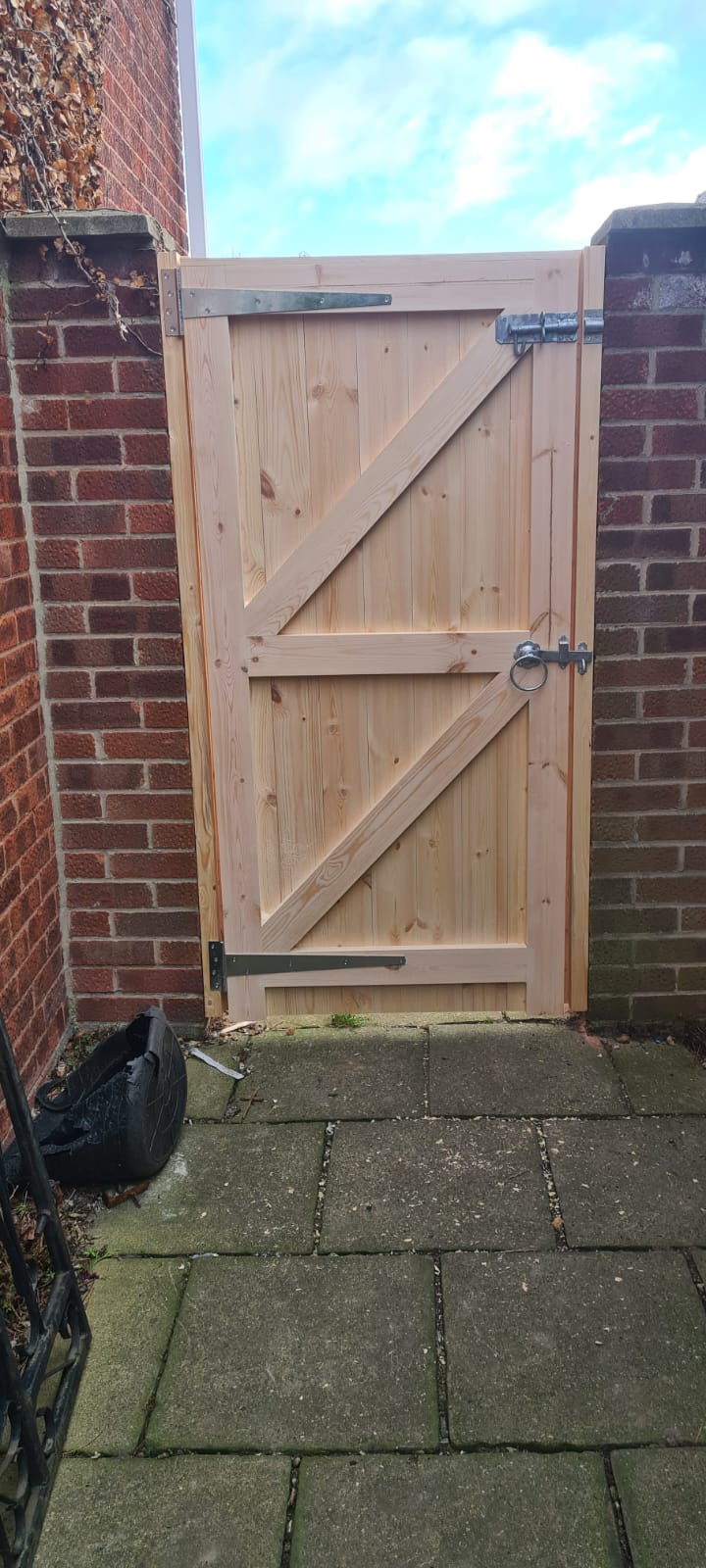
A gate can look excellent on the day it is fitted and still become a disappointment within a few winters. That is why choosing timber gates is not simply about picking a design that suits the front of your home. The timber, the way it is joined, the accuracy of the size and the quality of the fittings all affect how well a gate opens, closes and stands up to the British weather.
For a driveway, garden entrance or side passage, a well-made wooden gate should feel solid without being unnecessarily heavy. It should suit the opening properly, allow for practical clearance, and be built to resist the movement that naturally occurs in timber outdoors. Getting these details right at the buying stage saves a great deal of trouble later.
Why construction matters as much as gate design
The style of a gate sets the first impression, whether you prefer a traditional five-bar driveway gate, a closeboard garden gate or a more decorative boarded design. Construction determines whether that first impression lasts.
A properly made gate is built as a frame, rather than relying on surface boards to provide strength. Mortice and tenon joints are a proven method for this work. The rails are fitted into the stiles, creating a strong mechanical connection that supports the weight of the gate and helps keep the frame square. Hardwood dowels and exterior-grade D4 glue add further strength at the joints, where a gate works hardest over time.
This is a different standard from a lightweight, stapled or screw-only gate. Screws have their place for fixing cladding and ironmongery, but they are not a substitute for sound joinery in the main frame. A gate that begins life slightly weak will only be tested further by wind, regular use and seasonal changes in moisture.
Engineered timber and outdoor stability
All timber responds to its surroundings. During wet weather it takes on moisture, and during dry spells it releases it. This expansion and contraction is normal, but wide, poorly selected boards can twist, cup or split as they move.
Engineered timber is designed to reduce that movement. By laminating selected timber sections together, it creates a more stable component than a single large piece of pressure-treated softwood. For gates, this is particularly useful in the stiles and rails, where straightness and strength matter most.
It is not a promise that wood will never move at all. No honest timber manufacturer should claim that. It is a sensible way to minimise movement while retaining the warmth, repairability and character that make timber such a good choice for a residential property. It also gives homeowners a strong alternative to expensive hardwood gates, without settling for the limitations often found in basic treated timber products.
Choosing the right timber gate for the opening
Before settling on a design, consider what the gate needs to do every day. A driveway gate needs suitable clearance for vehicles, enough strength for its span and a post arrangement capable of taking its weight. A garden gate may need privacy, security, or a simple way to keep children and pets safely within the garden. A wooden stair gate has a different job again: safe operation and a reliable fit within the home are the priority.
Made-to-measure work is especially valuable where openings are not standard. Older homes, brick pillars, sloping drives and uneven garden walls rarely leave a neat off-the-shelf measurement. Ordering a gate to suit the actual opening is usually far better than forcing a standard size to fit with oversized gaps or packing pieces.
Measure the clear opening at the top, middle and bottom, then work from the smallest measurement. Take note of the height on both sides as well. If the ground rises across the entrance, a standard square-bottomed gate may catch as it swings. In some cases, the answer is increased ground clearance; in others, it may be a raked or shaped bottom rail. A few careful measurements before manufacture are worth far more than an awkward adjustment once the gate arrives.
Single gates, pairs and garden access
For narrow entrances, a single gate is often the most straightforward choice. It is economical, easy to operate and works well for side access or pedestrian paths. Wider driveway entrances generally suit a pair of gates, which share the opening and avoid placing too much weight on one very wide leaf.
The practical question is how you use the entrance. If one leaf will be opened most days for a car, it needs good hinges and an easy-to-use latch or drop bolt arrangement. If the gates will stay closed for long periods, security and dependable locking may matter more. There is no single best layout for every property, but there is usually a clear best option once daily use is considered.
Posts and ironmongery are part of the gate system
A handmade gate can only perform as well as the posts and fittings supporting it. This point is easily missed when comparing prices, yet it is one of the main reasons some installations sag or become difficult to use.
Gate posts need to be substantial enough for the size and weight of the gate, set plumb and securely fixed. On a driveway, posts must also cope with leverage created each time a large gate is opened. Existing masonry pillars can work well, but they should be checked for condition and given fixings suited to the load. A loose or leaning post will not be corrected by a better hinge.
Ironmongery should be selected for the gate rather than treated as an afterthought. Adjustable hook and band hinges are a practical choice for many timber gates because they spread the load and allow for fine adjustment after fitting. A latch, handle, drop bolt, centre stop and suitable locking arrangement each have a purpose. Choosing them together helps the finished gate operate neatly rather than feeling like a collection of separate parts.
For heavier gates, allow enough room behind the post for hinges and opening movement. Also decide early whether the gates need to open inwards or outwards. This affects the hinge position, the slope of the drive and how vehicles approach the entrance.
Finishing timber gates for a long service life
Timber needs protection from moisture and sunlight, particularly on exposed elevations. A proper finish helps slow water ingress, reduce surface checking and keep the gate looking cared for. Primer, paint, stain or oil can all be appropriate, depending on the look you want and the product specification.
The essential point is coverage. End grain, cut edges, joints and the lower parts of the gate deserve particular attention because they are the areas most likely to absorb water. Apply the recommended treatment before fitting where possible, so hidden faces and edges are not left bare. If a gate has been supplied ready for finishing, do not leave it exposed for months waiting for better weather.
Oil gives a natural appearance and can be straightforward to refresh, but it normally needs more regular maintenance. An opaque painted finish can offer strong protection and colour choice, although preparation and repainting must be done properly when the coating ages. The right option depends on the desired appearance and how much routine care you are willing to carry out.
A simple maintenance routine
There is no need to overcomplicate gate maintenance. Inspect the gate and its fittings at least once or twice a year, ideally after winter. Clear leaves and soil from the base, check that water is not sitting against the timber, and make sure hinges, latches and bolts remain secure.
Look for early signs of a worn coating, loose fittings or changes in alignment. A small touch-up to a finish or hinge adjustment is quick. Leaving a gate to scrape on the ground or hang on loose hardware can turn a manageable job into a larger repair. Keeping plants cut back also helps air circulate around the gate and prevents damp from being held against the timber.
Getting value from a bespoke gate
The cheapest gate is not always the best value, particularly if it needs replacing after a short period or requires frequent repairs. Equally, the most expensive hardwood option is not automatically necessary for every home. A well-built engineered timber gate offers a practical middle ground: traditional appearance, strong construction and better stability than ordinary pressure-treated timber, at a more attainable price than many hardwood alternatives.
When comparing quotations, ask what is included. Check the timber type, frame construction, joinery, finish requirements, post sizes and whether hinges and latches are supplied. Confirm the finished gate size rather than assuming it matches the brick-to-brick opening. Clear answers are a good sign that the gate is being made with the whole installation in mind.
A timber gate is one of the few features of a property that you will touch and use almost every day. Choose one built to fit, fit it on suitable posts with the right ironmongery, and give it regular care. It will do its job quietly for years while adding the kind of solid, welcoming detail that makes a home feel properly looked after.


Comments