

Custom Gates for Wide Openings That Last
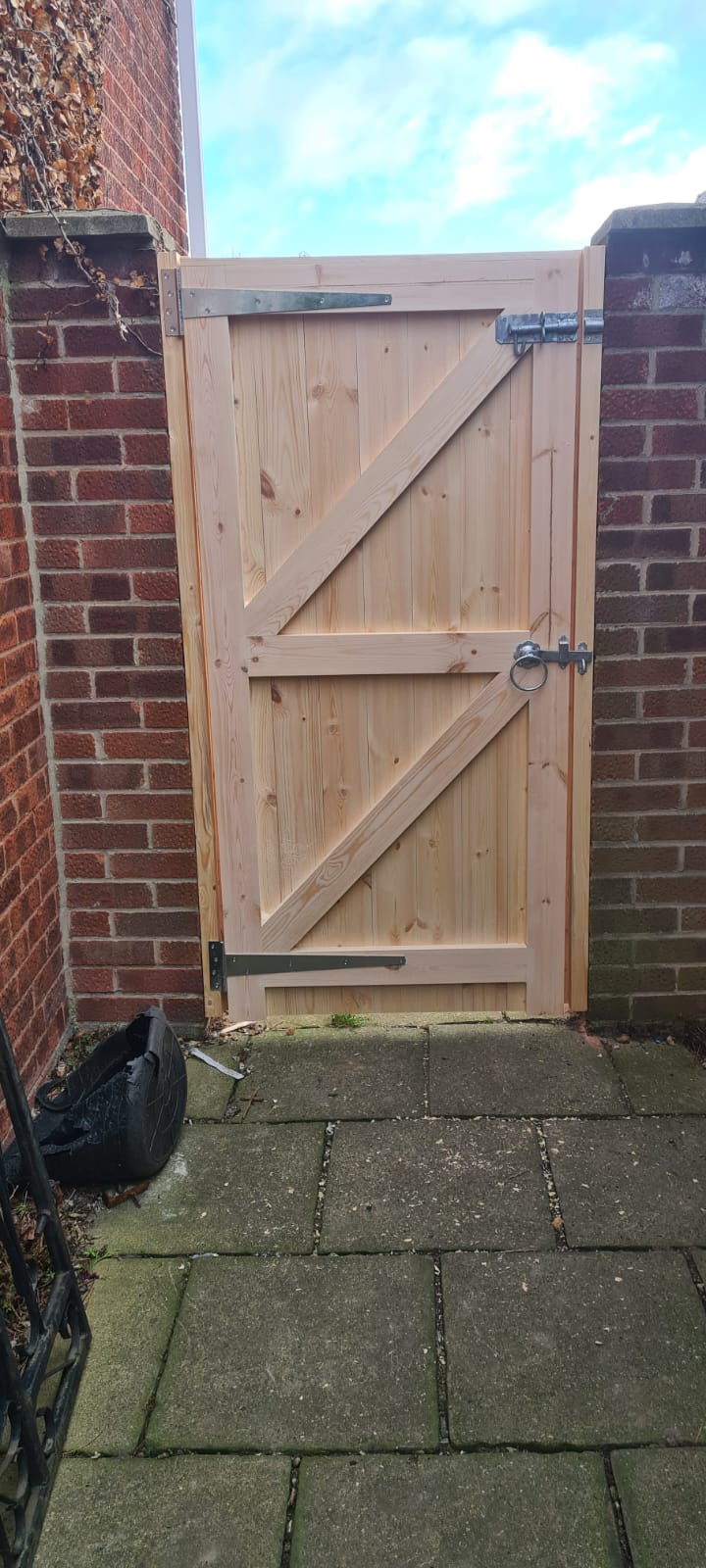
A wide driveway should feel generous, not like a compromise forced on you by an awkward opening. Off-the-shelf gates are often made in fixed sizes, leaving homeowners to fill gaps with extra posts, narrow panels or fittings that do not quite suit the entrance. Custom gates for wide openings are made around the space itself, giving you a better fit, a stronger layout and a finish that looks right from the road.
For most residential properties, the question is not simply how wide the gates need to be. It is how that width should be divided, supported and hung so the gates continue to operate properly through changing weather and regular use.
Start with the opening, not a standard gate size
The first measurement is the clear distance between the finished faces of the gate posts, brickwork or other fixed supports where the gates will sit. This is not always the same as the width between existing walls, particularly where old posts lean, stonework is uneven or render projects into the opening.
It is also essential to allow for hinges, latches and working clearance. Timber expands and contracts slightly with moisture, and gates need room to swing freely rather than rubbing on posts or meeting in the middle. A made-to-measure gate is sized to suit the actual opening and the chosen ironmongery, rather than being cut down after purchase.
Height matters as well. A driveway entrance may need gates that follow a slope, clear rising ground or meet a particular line of fencing and hedging. Taking a few careful measurements at the beginning can prevent an expensive alteration later. If there is any doubt, measure the opening at the top, middle and bottom, and check the ground level across the full width.
Why two leaves are usually better for a wide entrance
A single gate leaf can work well on a smaller garden entrance, but it becomes increasingly heavy and difficult to control as the width grows. The longer the leaf, the greater the strain placed on hinges, posts and the gate frame. Wind also has more leverage against a large single panel.
For most wide driveways, a pair of gates is the sensible answer. Splitting the opening into two leaves reduces the weight carried by each hinge set and makes the gates easier to open by hand. When only pedestrian access is needed, one leaf can often be opened while the other remains secured. For vehicles, both leaves open to provide the full width.
Equal pairs suit many entrances, especially where symmetry is part of the appeal. However, unequal leaves can be useful where one side is used more often, where a post position dictates the layout, or where a pedestrian gate function is wanted within the main opening. The right arrangement depends on how the entrance is used day to day, not just how it looks in a photograph.
Gate posts carry more responsibility than they are given credit for
A well-made gate cannot perform properly if it is hung from weak, undersized or poorly installed posts. Wide gates place considerable leverage on their supports, especially when open. The posts need to be substantial enough for the gate weight, set to a suitable depth and installed in sound ground or securely fixed to appropriate masonry.
Where existing posts are being retained, inspect them honestly. Timber that is soft at ground level, cracked around hinge fixings or noticeably out of plumb is unlikely to improve once a new, heavier gate is fitted. Replacing tired posts at the same time as the gates is often the more economical choice than dealing with dropped gates and repeated adjustment later.
Post tops should be protected from standing water, and the base of timber posts needs careful consideration. Good drainage and correct installation help reduce the conditions that lead to premature decay. At Premier Timber Gates, we regularly see that a strong gate installation begins with supports that have been specified for the job, rather than simply making do with what is already there.
Construction matters more as the span increases
Wide opening gates need more than attractive boards fixed to a frame. The frame is doing the structural work, and its joints must resist movement caused by weight, use and the British weather. Traditional mortice and tenon joinery gives a gate a far stronger foundation than a lightly screwed-together frame.
Exterior-grade D4 adhesive and hardwood dowels add further strength at the joints, helping the frame stay square over time. Proper bracing is equally important. A diagonal brace should support the gate from the lower hinge side towards the upper closing side, directing the load back to the hinge post rather than allowing the outer corner to drop.
This is one reason handmade construction is particularly valuable for non-standard widths. The proportions of rails, stiles and braces can be designed around the size of the leaf. A gate that has been stretched beyond the dimensions it was intended for can look unbalanced and may be more prone to sagging. Custom work allows the construction to suit the opening rather than asking the opening to suit a catalogue size.
Engineered timber offers a practical balance
For exterior gates, timber choice affects both appearance and long-term stability. Pressure-treated timber has its place, but treatment alone does not prevent timber from moving as it takes on and releases moisture. Hardwood can offer excellent durability, although it comes with a much higher price point.
Engineered timber is a sensible middle ground for many homeowners. By laminating selected timber sections with the grain arranged to improve stability, it can reduce the natural twisting, cupping and movement associated with solid softwood. When combined with sound joinery and a proper exterior finish, it provides a durable, handsome gate without the cost of a full hardwood build.
No wooden gate is completely maintenance-free. Sun, rain and frost will all take their toll if the finish is neglected. A suitable primer and quality exterior oil or paint system protect the timber and keep the colour looking its best. The maintenance schedule will vary according to the gate's exposure: a sheltered side entrance needs less attention than a south-facing driveway gate exposed to wind and rain.
Choose a design that suits the width
The design should work with the scale of the opening. Closeboard or solid boarded gates give privacy and can make a wide frontage feel enclosed, but they also catch more wind. This can be managed with substantial posts, suitable hinges and a well-built frame, though an especially exposed site may benefit from a more open design.
A five-bar or estate-style gate offers a lighter appearance and lets wind pass through more easily. It can be an excellent choice for rural properties, long driveways and entrances where the view beyond the gate matters. Framed and ledged styles, arched tops and decorative boarding can all be made to suit, provided the structural frame remains the priority.
Think about the gate in its open position too. A pair of gates may need enough clear space inside the drive to swing back safely without striking vehicles, walls, planting or gravel banks. If this is limited, a different opening arrangement or automated system may need consideration before ordering.
Do not treat ironmongery as an afterthought
Heavy-duty adjustable hinges are particularly useful on wide timber gates because they allow for fine adjustment during installation and future settling. The gate should have a positive stop when closed, so the latch is not left taking the full force of wind. A drop bolt can secure the inactive leaf of a pair, while a centre latch holds the closing leaf neatly in place.
For a driveway entrance, consider how the gates will be used in poor weather, after dark and when visitors arrive. A ring latch, long throw lock, automatic closing arrangement or gate automation can all be worthwhile, but each choice affects the gate design and installation. Automation, in particular, should be planned early: weight, hinge positions, opening angles and safety devices all need to work together.
Allow for fitting and future care
A gate should be installed with even gaps, secure fixings and enough clearance above the ground for seasonal movement, loose gravel and minor settlement. Once fitted, check hinges and fasteners periodically, keep the bottom edges clear of soil and vegetation, and renew the protective finish before it begins to fail.
The best wide gate is not necessarily the heaviest or the most ornate. It is the one made in the right proportions, with dependable joinery, properly sized posts and fittings that match the way your household uses the entrance. Get those foundations right, and a made-to-measure timber gate can give your property a strong, welcoming finish for many years.


Comments