

Garden Gate Security Ideas for Safer Homes
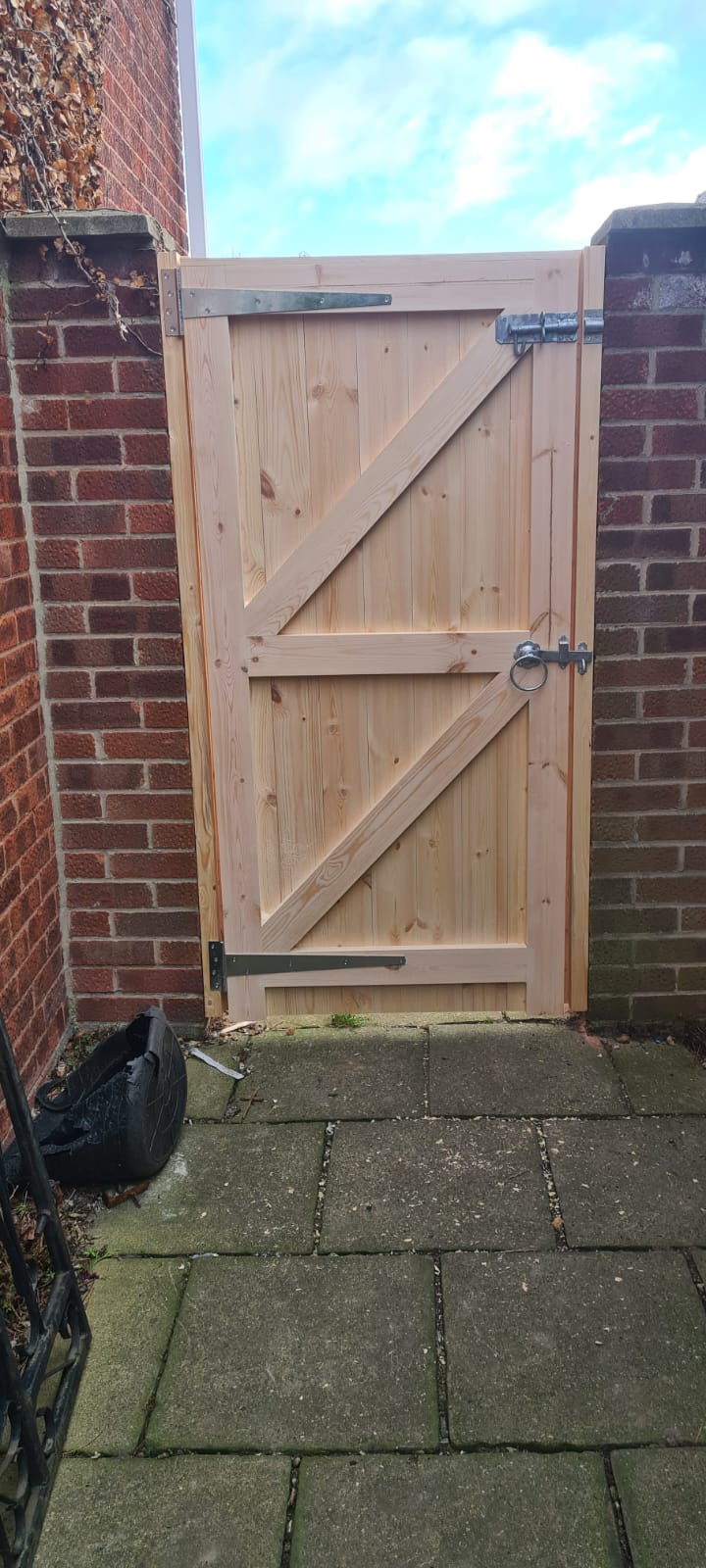
A garden gate is often the easiest way into the side or rear of a property. Good garden gate security ideas therefore start with more than fitting a padlock after the event. The gate, posts, hinges and closing hardware need to work together, while still being convenient enough for the family to use every day.
For most UK homes, the aim is simple: make access private, controlled and awkward to force without turning the garden into a fortress. A well-made timber gate gives you a proper boundary, protects children and pets from wandering, and can make opportunistic entry far less appealing.
Start with a gate built to stay square
A lock is only as useful as the gate it is fitted to. Lightweight gates can twist, sag or develop movement around the latch point over time. Once there is a gap between the gate and post, it becomes easier to lever, lift or simply push the gate open.
Choose a gate with proper framed construction rather than thin boards fixed to basic battens. Mortice and tenon joints, exterior-grade adhesive and hardwood dowels help keep a timber gate rigid through changing weather. This matters particularly on wider side entrances, where the weight of the gate puts greater strain on hinges and posts.
Engineered timber is a sensible choice for homeowners who want the character of a wooden gate without paying hardwood prices. When it is properly constructed and maintained, it offers better stability than standard pressure-treated timber. At Premier Timber Gates, gates are made to order, so the width and height can suit the opening instead of relying on packing pieces or an ill-fitting off-the-shelf size.
The gate should have enough ground clearance to avoid dragging through wet leaves, gravel or frost, but not so much that a child or pet can pass underneath. Check that it closes cleanly against the post before selecting any lock or latch.
Secure the posts before the gate
Strong ironmongery fitted to weak or loose posts will not solve the problem. Gate posts take the full load of the gate and are also the point most likely to move if the installation is poor.
Use substantial posts suited to the gate’s weight and height, set at the correct depth in firm ground. A post that rocks even slightly will eventually pull hinges out of line, leaving the latch unable to engage properly. On an existing entrance, inspect the timber for rot around ground level and look for cracks near hinge fixings.
The latch-side post deserves as much attention as the hinge post. If the closing post flexes when the gate is pushed, a bolt or lock may not hold as intended. For masonry pillars, use suitable fixings and make sure the fixing point is sound rather than loose mortar or damaged brickwork.
Choose locking that suits how the gate is used
The best lock depends on whether the gate is used many times a day, whether it can be reached from the street, and whether people need access from both sides. There is no single fitting that suits every garden entrance.
A simple gate latch is useful for everyday closure, but it is not security hardware on its own. For a side gate leading to the rear garden, combine it with a lockable long-throw gate lock, key-operated bolt or a hasp and quality padlock. A long-throw lock can be a neat choice because it operates through the gate and allows entry from either side with a key.
If using a padlock, avoid a light-duty model with an exposed shackle that can be cut or attacked easily. Fit the hasp and staple with security screws or coach bolts that cannot simply be unscrewed from the outside. Position it where the fixing points are difficult to reach, ideally on the garden side where the layout allows.
For gates that are usually opened from inside the garden, a strong sliding bolt can provide a second point of closure. It is particularly useful overnight or when the property is empty. The trade-off is convenience: a bolt alone cannot be operated from outside, so it is best used alongside a normal latch or lock rather than as the only means of entry.
Do not overlook hinges and lifting points
A secure lock can be bypassed if the gate can be lifted from its hinges. This is a common weak point on outward-opening gates, especially where conventional hook and band hinges are accessible from the public side.
Fit hinge security bolts, sometimes called dog bolts, to the hanging edge of the gate. When the gate is closed, the fixed bolt engages with the post, preventing the gate being removed even if hinge pins are attacked. They are a straightforward addition and work well with traditional timber gate hardware.
Hinges should be correctly sized for the gate. Undersized hinges cause sagging, which creates pressure on locks and latches. Galvanised or suitably coated ironmongery is a practical option for exterior use, provided it is checked periodically for corrosion, loose bolts and wear.
Balance privacy with visibility
A tall, close-boarded gate gives privacy and makes it harder for someone to see into the garden. That can be useful where bicycles, tools or outdoor equipment are stored. However, complete screening can also conceal a person working at the gate from neighbours or passers-by.
The right balance depends on the location. A side gate beside a busy pavement may benefit from a solid design and a lock positioned on the garden side. A gate at the front boundary may be better with an open or semi-open design that defines the property while allowing clear sightlines.
Avoid leaving a large gap beside the latch post. A gate with a tight, even fit is harder to manipulate. If the opening is unusually wide, a made-to-measure gate or a pair of gates is normally a better answer than trying to stretch a standard size across it.
Use light and simple routines to support garden gate security
Physical security works best when everyday habits support it. Motion-activated lighting near a side passage can make someone think twice about trying a gate after dark, while also making it easier for you to use keys safely. Position lights to illuminate the latch area and approach, without shining directly into a neighbour’s windows.
Keep hedges, bins and stored items from creating cover or providing a step over the boundary. A wheelie bin parked beside a low gate is an easy invitation. The same goes for ladders and tools left in the garden, which can be used to gain access to sheds, windows or higher fences.
Consider these checks as part of normal home maintenance:
Test that the gate closes, latches and locks without force.
Tighten hinge bolts and security fixings before they work loose.
Treat or oil timber as required to limit water ingress and movement.
Clear soil, leaves and gravel away from the bottom edge and threshold.
Keep keys controlled, particularly if tradespeople or older children use the gate.
A visible alarm camera or security sign may add reassurance, but it should not be used as a substitute for sound joinery and reliable fittings. A camera records what happens; a correctly fitted gate and lock can help prevent the easy opportunity in the first place.
Think about fire safety and access
Security should never trap people inside the garden. If a gate forms part of an escape route from the house, everyone who may need to leave should be able to open it quickly from the inside. Avoid arrangements that require searching for a key during an emergency.
This does not mean the gate must be simple to open from outside. A lockable gate with an internal thumb turn, internal bolt or readily accessible key can offer a sensible compromise, depending on the location and household. Families with young children should also consider whether the latch is high enough to prevent unsupervised opening.
A secure garden entrance is not usually about one expensive fitting. It comes from getting the basics right: a stable made-to-fit gate, firmly installed posts, suitable hinges, a lock that matches the way you live, and a few regular checks through the year. Put those foundations in place and the gate will feel as dependable as it looks.


Comments