

Gate Delivery Times: What to Expect When Ordering
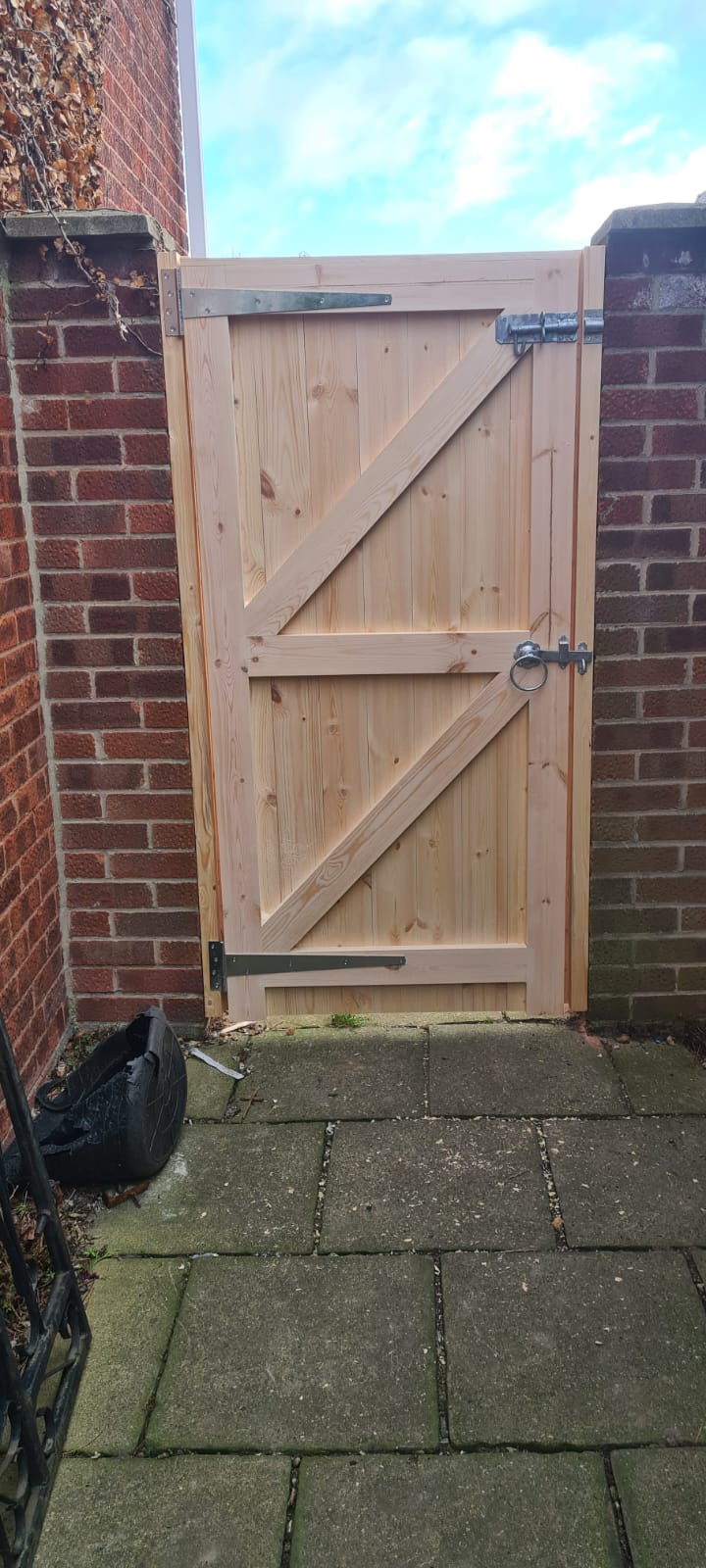
A new timber gate is often the final piece in a wider job. Posts may be going in, a driveway may be waiting for a finish, or a family may need to secure a garden safely. That is why gate delivery times matter from the point you first choose a design and size. A handmade gate is not lifted from a warehouse shelf. It is built for the order, checked in the workshop and carefully prepared for transport.
For homeowners, the useful question is not simply, “How quickly can it arrive?” It is, “What needs to happen before it arrives, and what can I prepare while it is being made?” Getting that timing right helps avoid unnecessary delays with installers, groundwork and access.
Why handmade gate delivery times vary
A bespoke timber gate has a different journey from a standard, boxed product. Before work begins, the correct opening size, hanging arrangement, gate style and any optional extras need to be clear. A small detail can affect the build, whether that is the direction the gate will hang, the width of a pair of driveway gates, the need for matching posts or the chosen ironmongery.
At Premier Timber Gates Ltd, gates are made in-house rather than sourced as finished imports. This allows each order to be produced to the required dimensions, but it also means production time is part of the delivery process. It is a sensible trade-off for customers with an awkward opening or a particular design in mind. A gate that fits properly and is built for its job is worth more than a quick delivery followed by costly alterations on site.
The type of gate also makes a difference. A single garden gate is generally simpler to handle than a large pair of driveway gates with posts, fittings and a heavier frame. Stair gates and gate kits may have different packing and dispatch requirements again. During busy periods, such as spring and early summer when many outdoor projects begin, workshop schedules and carrier availability can affect the date as well.
From order to dispatch: what happens in the workshop
Once the specification is confirmed, the gate moves into production planning. Timber is selected and prepared, components are cut to size, and the frame is assembled using traditional mortice and tenon joinery. Exterior-grade D4 glue and hardwood dowels support a strong, weather-conscious construction. These details are not there for show. They are part of making a gate that is designed to stay stable and give good service outside.
Many made-to-order gates are constructed from engineered timber rather than basic pressure-treated softwood. Engineered timber is chosen for its improved stability, while keeping the cost considerably lower than hardwood. However, careful construction still takes time. Timber components need accurate machining, joints must be assembled correctly, and the finished gate needs inspection before it is released for packing.
If you have requested a primer, oil or another finish-related product, check whether this is supplied separately or affects the preparation of your order. The same applies to posts, hinges, latches, bolts and other ironmongery. Ordering compatible items together can make installation simpler, but it is worth confirming that every required component is on the order before production starts.
What can affect your delivery date?
The biggest cause of avoidable delay is an incomplete or incorrect specification. Measure the opening carefully before ordering, allowing for posts, hinges, clearances and the practical space needed for the gate to swing. A measurement taken from an old gate is not always reliable, especially if the existing posts are leaning, damaged or due to be replaced.
For a pair of driveway gates, make sure the total opening measurement is accurate and decide how the gates will meet in the middle. Consider whether one leaf will usually remain fixed, whether you need a drop bolt, and whether the entrance slopes. A gate can be beautifully made, but poor planning around levels and clearances can create fitting problems that no delivery service can solve.
Changes after manufacture has started may also move the expected dispatch date. This is particularly relevant if you alter the size, change the design, add posts or swap ironmongery. It is always better to ask questions before placing the order than to rush a decision and discover that the gate will not suit the site.
External factors can matter too. Severe weather can make rural access difficult, and transport networks are busier around bank holidays and the Christmas period. Large or long gate orders may require specialist handling, so delivery arrangements may differ from a small parcel. A dependable supplier should give clear guidance on the expected lead time for your particular order rather than offering a vague promise that does not reflect workshop capacity.
Preparing for timber gate delivery
Do not leave site preparation until the delivery day. If new posts are being installed, allow adequate time for the foundations to cure before hanging the gate. If the gate is replacing an old one, arrange for removal and disposal in advance where needed. Your installer should have the finished opening dimensions, gate weight and hanging details before arriving on site.
Access deserves equal attention. Check that a delivery vehicle can reach your property or identify a suitable safe point for unloading. Narrow lanes, tight turns, low branches, restricted estates and steep drives can all need prior thought. If the delivery address is difficult to find, provide clear instructions when asked. This is especially helpful in rural parts of the UK where postcodes can cover a broad area.
You should also plan where the gate can be placed once delivered. Store it flat and supported on a clean, dry, level surface, away from standing water and direct contact with soil. Keep it protected from unnecessary wet weather, but do not wrap timber tightly in non-breathable material where condensation can be trapped. If the gate will not be fitted straight away, follow the supplier's storage and finishing advice so it reaches installation day in good condition.
How to keep your project on schedule
The simplest way to manage gate delivery times is to work backwards from your preferred fitting date. Leave room for manufacture, transport and a little flexibility rather than booking an installer for the earliest possible day. If the project is time-sensitive, such as securing a garden before a new dog arrives or completing a driveway renovation, speak to the manufacturer before committing to other trades.
It also helps to settle the practical decisions at the start. Confirm the gate size, style, handing, posts, ironmongery and delivery address in one go. Keep a note of your order details and check messages promptly if the workshop needs clarification. Personal contact is particularly valuable with bespoke work because a quick answer to a question can prevent a mistake being built into the gate.
There is no single delivery timeframe that suits every timber gate order. A straightforward standard-size gate may need less planning than a large made-to-measure driveway entrance, while a difficult delivery location may require more coordination than either. What should remain consistent is the care taken between the first measurement and the moment the gate is ready to hang.
A well-planned order gives the workshop time to do its job properly and gives you time to prepare yours. Measure carefully, allow a sensible margin before installation, and make space for the delivery. The result is a gate that arrives ready to become a lasting part of your home, rather than another problem waiting at the end of the drive.


Comments