

Hardwood Gate Alternatives for British Homes
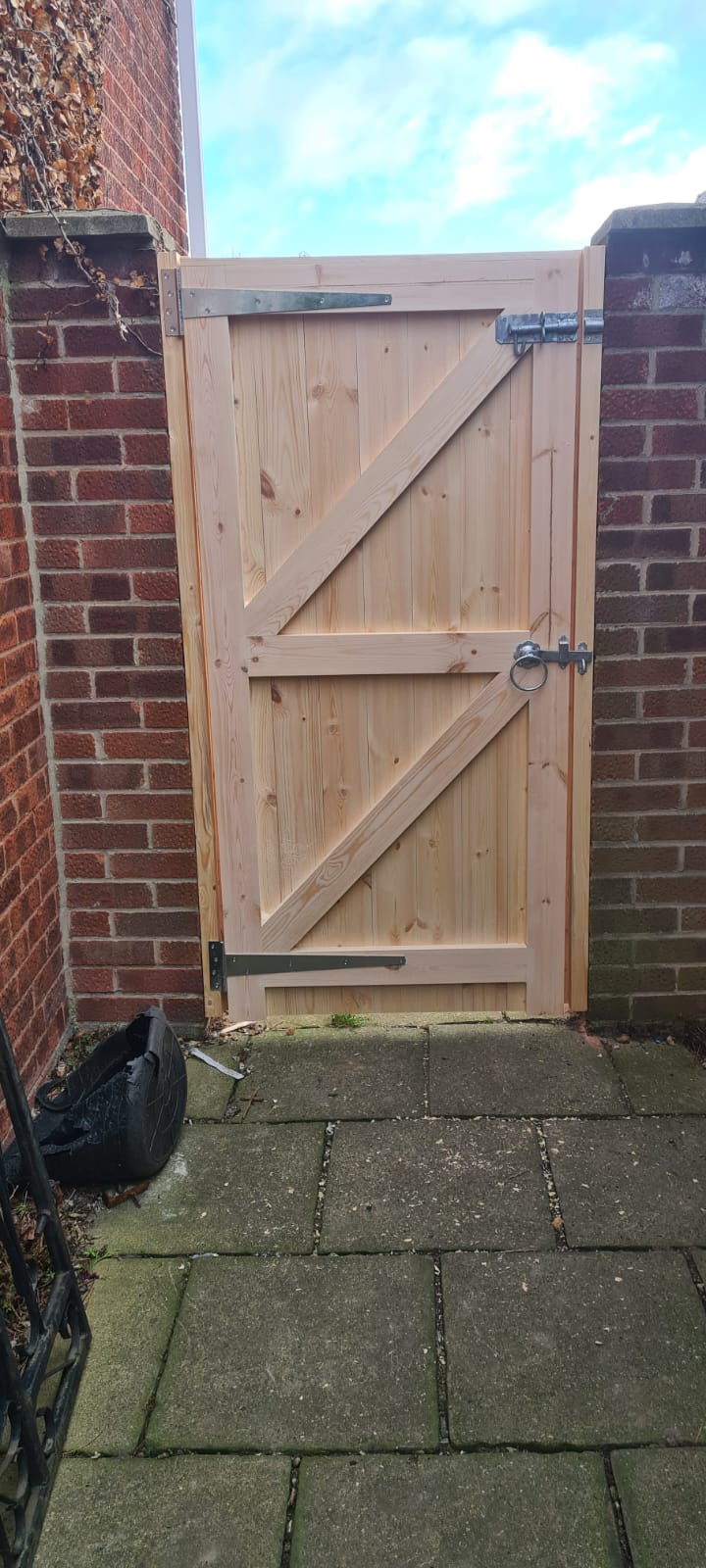
A new driveway or garden gate needs to do more than look smart on fitting day. It must cope with rain, frost, movement, daily use and the occasional gust of wind across an exposed entrance. That is why many homeowners researching hardwood gate alternatives are not simply looking for the cheapest option - they want a gate that looks right at home and remains sound for years to come.
Hardwood has a well-earned reputation for strength and appearance, but it is not the only route to a substantial timber gate. It also comes at a premium, can be heavy, and still needs proper finishing and maintenance. For many UK properties, a well-made engineered timber gate offers the balance of cost, stability and traditional character that homeowners are actually after.
Why look beyond a hardwood gate?
Hardwoods such as oak and iroko are naturally dense and can make handsome gates. Their price reflects that, particularly where a large pair of driveway gates is required. The material cost, weight of the finished gates and the stronger posts, hinges and automation equipment often needed can soon push a project beyond its original budget.
There is also a common misconception that hardwood is maintenance-free. No exterior timber is. Sunlight, moisture and changing temperatures affect every species. A hardwood gate that is neglected may weather unevenly, develop surface checks or lose its original colour. It will still benefit from suitable oil, stain or paint, along with regular checks of the ironmongery and fixings.
The better question is not simply, “Is hardwood best?” It is whether the timber, construction method and finish suit the position of your gate. A sheltered side entrance has different demands from a wide driveway opening facing prevailing wind and rain.
Hardwood gate alternatives worth considering
Engineered timber gates
For homeowners who want a traditional wooden gate without the price of hardwood, engineered timber is often the strongest choice. This is not a thin veneered board or a mass-produced panel. When properly manufactured for exterior joinery, engineered timber is formed from selected timber sections bonded together to help reduce the natural movement found in a single wide piece of wood.
That stability matters on gates. Timber constantly responds to moisture in the air. If rails, stiles and boards are poorly selected or joined, the gate can twist, cup or pull out of square. Engineered timber helps manage this movement while retaining the warmth and character that makes a wooden gate feel at home on a British property.
Construction is just as important as the timber itself. A handmade gate with mortice and tenon joints, hardwood dowels and D4 exterior-grade glue is built for a different standard of service than a lightweight nailed panel. Strong joints keep the frame working as one unit, which is especially valuable on taller garden gates and wide driveway leaves.
At Premier Timber Gates, engineered timber is used to provide a durable, made-to-measure alternative to premium hardwood, without losing the proper joinery and solid appearance homeowners expect.
Pressure-treated softwood gates
Pressure-treated softwood is usually the lowest-cost timber option. It is widely available and can be suitable for a simple garden boundary, side passage or short-term improvement where budget is the deciding factor.
The treatment helps protect the timber against decay and insect attack, but it does not prevent movement. A gate made from basic treated softwood may be more prone to shrinking, splitting or twisting as it dries, particularly if it has been assembled with simpler construction methods. This does not mean every softwood gate will fail early. It means the quality of the timber selection, framing and protection from standing water become more important.
If choosing a treated softwood gate, look for a substantial frame, sensible bracing and a design that sheds water rather than trapping it. Keep the bottom of the gate clear of the ground, fit decent hinges and refinish it when needed. A cheap gate can become expensive if it needs replacing after only a few winters.
Composite gates
Composite gates are generally made from a mix of recycled wood fibres and plastic, often within an aluminium frame. Their main appeal is low routine maintenance. They do not need oiling or painting in the same way as timber, and their colour is usually more consistent from one board to the next.
For a very contemporary house, composite can be a sensible fit. It is also useful where a homeowner wants privacy panels and does not want the responsibility of maintaining a painted or oiled timber surface.
The trade-off is character. Composite may imitate timber grain, but it does not age like real wood or offer the same depth of detail in a handmade framed gate. It can also feel less suited to period cottages, rural properties and homes with existing timber fencing, timber cladding or traditional brickwork. Sizes and designs may be more limited, too, depending on the system used.
Metal gates
Steel and aluminium gates are another practical alternative, particularly for wide driveways and automated entrances. Aluminium is light and resistant to corrosion, making it easier on hinges and gate motors. Steel can be exceptionally strong, though it needs a durable protective coating and attention to any chips that expose bare metal.
Metal is often the right answer where security, minimal movement and a modern appearance are the priority. However, it creates a very different look from timber. Decorative wrought-style gates can suit some traditional homes, but a plain metal design may appear cold against a softer garden setting. Bespoke metalwork can also cost as much as, or more than, a well-made wooden gate.
How to choose the right alternative for your property
Start with the gate’s job. A pedestrian garden gate needs reliable latching, privacy and everyday durability. A driveway gate must also deal with width, weight, wind loading and the demands placed on posts and hinges. If automation is planned, the gate design should be agreed before ordering, not adapted afterwards.
Then consider the setting. A painted engineered timber gate can complement a Georgian terrace, a suburban family home or a country property equally well because the proportions, top rail and board style can be made to suit. A composite or aluminium gate may be more appropriate where the property has a clean-lined contemporary finish.
Custom sizing is another point that should not be overlooked. Off-the-shelf gates are made to standard measurements, while many openings are not. A gate that is too narrow, too low or forced into an awkward gap can spoil the finished result. Made-to-order gates allow for the actual opening, posts, ground clearance and the clearance needed for hinges and latches.
Finally, allow for the complete installation. Posts need to be strong enough for the gate weight and set securely. Hinges, latches, drop bolts and gate stops are not afterthoughts - they affect how the gate feels every time it is used. A well-built gate deserves ironmongery that will not let it down.
Maintenance still makes the difference
Whichever material you choose, a gate lasts longer when water is allowed to run off it and moving parts are looked after. Check timber finishes annually, especially on top edges, end grain and areas exposed to the strongest weather. Clean dirt from around hinges, tighten loose fixings and make sure the gate has not started rubbing on the ground.
For timber gates, an exterior primer and suitable topcoat or oil should be selected for the desired finish and maintained according to the product guidance. Paint offers colour and a more uniform appearance. Oil keeps more of the natural grain visible but generally needs more frequent refreshing. Neither is automatically better - it depends on the look you want and how much upkeep you are prepared to carry out.
The most worthwhile hardwood gate alternative is rarely the one with the lowest ticket price. Choose a material and construction method that suits your opening, your home and the years of weather ahead, then give it the care a proper gate deserves.


Comments