

Best Gate Posts for Driveways and How to Choose
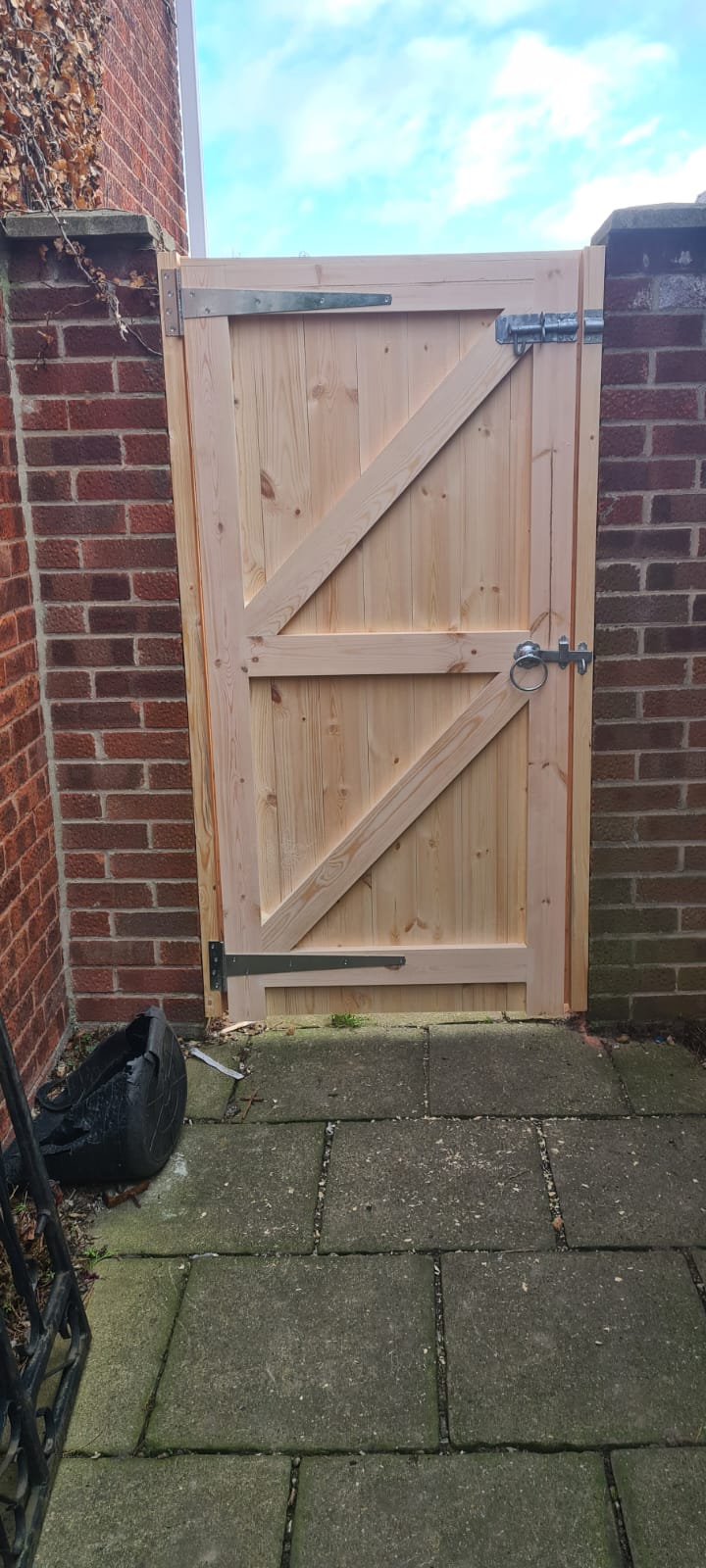
A driveway gate can be beautifully made, properly hung and fitted with good ironmongery, yet still give trouble if its posts are not up to the job. The best gate posts for driveways do far more than frame the entrance. They carry the full weight of the gates, resist movement in the ground and keep the gates aligned through wet winters, dry summers and daily use.
For a small pedestrian gate, a light-duty post may be enough. Driveway gates are different. They are wider, heavier and often exposed to more wind. Choosing the right material, section size and foundation at the outset is one of the soundest investments you can make in the life of the gate.
Why driveway gate posts matter so much
A pair of timber driveway gates puts constant leverage on the hinge posts. When the gates are shut, their weight hangs from the hinges. When they are open, that weight is pulled away from the post, creating greater strain. Add a windy site, a sloping drive or large solid gate panels, and a post that looks substantial can soon prove undersized.
Poor posts are often blamed on the gates themselves. In reality, sagging, uneven gaps and a latch that no longer meets its catch usually point to movement at the hinge side. A post that has twisted, settled or begun to rot around ground level cannot hold a gate in its correct position for long.
The answer is not simply to buy the biggest post available. It is to match the post to the gates, the hardware and the site conditions. A made-to-measure entrance deserves the same thought in its support as in the gates themselves.
Best gate posts for driveways: material choices
For most traditional timber driveway gates, a quality timber post is the natural choice. It gives a consistent appearance, is straightforward to work with and suits band-and-gudgeon hinges or adjustable hook-and-band fittings. However, not all timber posts are made equal.
Engineered timber posts
Engineered timber is an excellent choice where appearance and stability both matter. Rather than relying on one large piece of timber, engineered construction uses selected sections bonded together. This helps reduce the natural tendency of timber to twist, cup or split as it responds to changes in moisture and temperature.
For homeowners investing in handmade wooden gates, an engineered timber post provides a fitting long-term support. It has the substantial look expected at a driveway entrance, while offering better consistency than a basic pressure-treated softwood post. It is particularly worthwhile where the gates are wide, heavy or made to a non-standard size.
Good construction details still matter. Exterior-grade adhesive, careful machining and properly sealed end grain all contribute to durability. A post should also be maintained in the same way as the gates, with a suitable exterior finish applied and renewed as required.
Pressure-treated softwood posts
Pressure-treated softwood is widely available and can be a sensible budget option for lighter gates or sheltered entrances. The treatment helps protect the timber from decay and insect attack, but it does not stop movement. A large single-section softwood post may still warp or split, especially where it is carrying substantial gates.
If choosing treated softwood, allow for a generous post section and buy from a supplier that can confirm it is suitable for ground contact. Treat any cuts, drilled holes and notches with an appropriate preservative before installation. The vulnerable area is usually around the soil line, where moisture and air meet.
Steel gate posts
Steel posts offer considerable strength and are a practical option for very heavy gates, automated systems or exposed locations. They can be set behind timber cladding so that the entrance retains a traditional appearance, or left visible for a more contemporary finish.
The trade-off is appearance and fitting detail. Steel needs careful protection against corrosion, and the hinge arrangement must be planned before installation. It can be the right answer for a demanding site, but it may not be necessary for a normally sized pair of well-made timber gates on sound engineered timber posts.
Brick, stone and rendered pillars
Masonry pillars create a grand entrance, but they need proper foundations and an internal structure capable of taking the hinge loads. Gates should not be fixed blindly into decorative brickwork. A steel or substantial timber core, securely founded below the pillar, is often needed to carry the hardware.
This approach costs more and requires more coordination between the gate maker, builder and installer. It can be worthwhile for a permanent frontage scheme, but a pair of solid timber posts often delivers a handsome, traditional result with less disruption.
Choose the right post size for the gate
Post dimensions should be based on gate width, gate weight, hinge type and exposure, not appearance alone. As a general guide, 150 mm x 150 mm posts are commonly suitable for many domestic driveway gates. For wider openings, taller gates, solid boarded designs or windy ground, moving up to 175 mm x 175 mm or 200 mm x 200 mm gives more stiffness and a stronger fixing area for the hinges.
The hinge post deserves the most attention. The closing post carries less weight, but it still needs to remain straight so the latch and drop bolts meet correctly. Using matching posts on both sides gives a better visual balance and avoids one side becoming the weak point.
Height matters too. The post must allow enough timber above the top hinge for strength, while extending far enough below ground to be securely founded. Do not choose a post only by the finished gate height. Include the buried section, clearance beneath the gates and the position of hinge straps when working out the overall length.
If the driveway slopes, establish the finished ground levels before ordering. Gates can be made with a rake or with suitable clearance beneath them, but the posts and hinge positions need to suit the chosen arrangement. This is far easier to get right before concrete is poured.
Foundations that keep posts upright
A strong post in a weak hole will still move. For driveway gates, foundations need to resist both downward load and sideways pull. The exact depth and width depend on ground conditions, gate size and local exposure, but posts for substantial gates are often set around 900 mm deep or more. In soft, made-up or waterlogged ground, a deeper or wider footing may be needed.
Use a hole wide enough to give the concrete a meaningful bearing around the post. Simply packing a narrow hole with concrete does little to resist leverage. Keep the top of the concrete footing below the finished ground surface and shape the surrounding ground so water does not sit against the timber.
Setting timber directly into concrete is common, but drainage and moisture management are vital. Some installers prefer a post support or a concealed steel shoe that keeps the timber above ground level. This can improve service life by avoiding constant contact with wet soil, although the support and fixings must be rated for the gate load. For heavy driveway gates, ask an experienced installer which method suits the ground and hardware.
Check each post for plumb in both directions before the concrete sets, then check the distance between posts at the top and bottom. A small error can make fitting the gates needlessly difficult. Leave the footing to cure properly before hanging heavy gates rather than loading it the same day.
Match the posts to your hinges and fittings
Gate posts and ironmongery should be chosen as one system. Adjustable hook-and-band hinges are particularly useful for timber driveway gates because they allow fine adjustment after installation and during seasonal movement. They also need enough post depth for secure fixing.
For a pair of gates, plan the centre closure as carefully as the hinge side. A sliding latch, drop bolts and a centre stop each have a part to play. The closing post must be positioned so that the gates meet without forcing, while any automatic opening equipment must have a stable, accurately aligned base.
Avoid fitting hinges too close to the edge of a timber post. Leave adequate material around every fixing to reduce the chance of splitting. Pre-drilling pilot holes is good practice, particularly near ends and edges, and all exterior fixings should be galvanised or stainless steel to prevent staining and corrosion.
Do not overlook the site itself
An exposed rural entrance needs more support than a sheltered suburban drive. Solid, close-boarded gates catch more wind than open five-bar designs. Clay ground can move between seasons, while newly landscaped ground may settle for some time after installation.
There are also practical issues to consider: underground services, drainage channels, kerb lines and vehicle turning space. If posts are too close to the drive edge, passing cars can clip them. If they are set too far back, the gates may not provide the privacy or boundary line you intended. Mark the opening on site, including the full swing of each gate, before finalising the layout.
A well-chosen pair of posts is quiet reassurance. It lets well-made gates open cleanly, close properly and continue looking their best for years. Give the foundations, timber quality and fitting details the same care as the gates themselves, and your driveway entrance will have the solid, traditional character it deserves.


Comments