

Best Hinges for Heavy Gates Built to Last
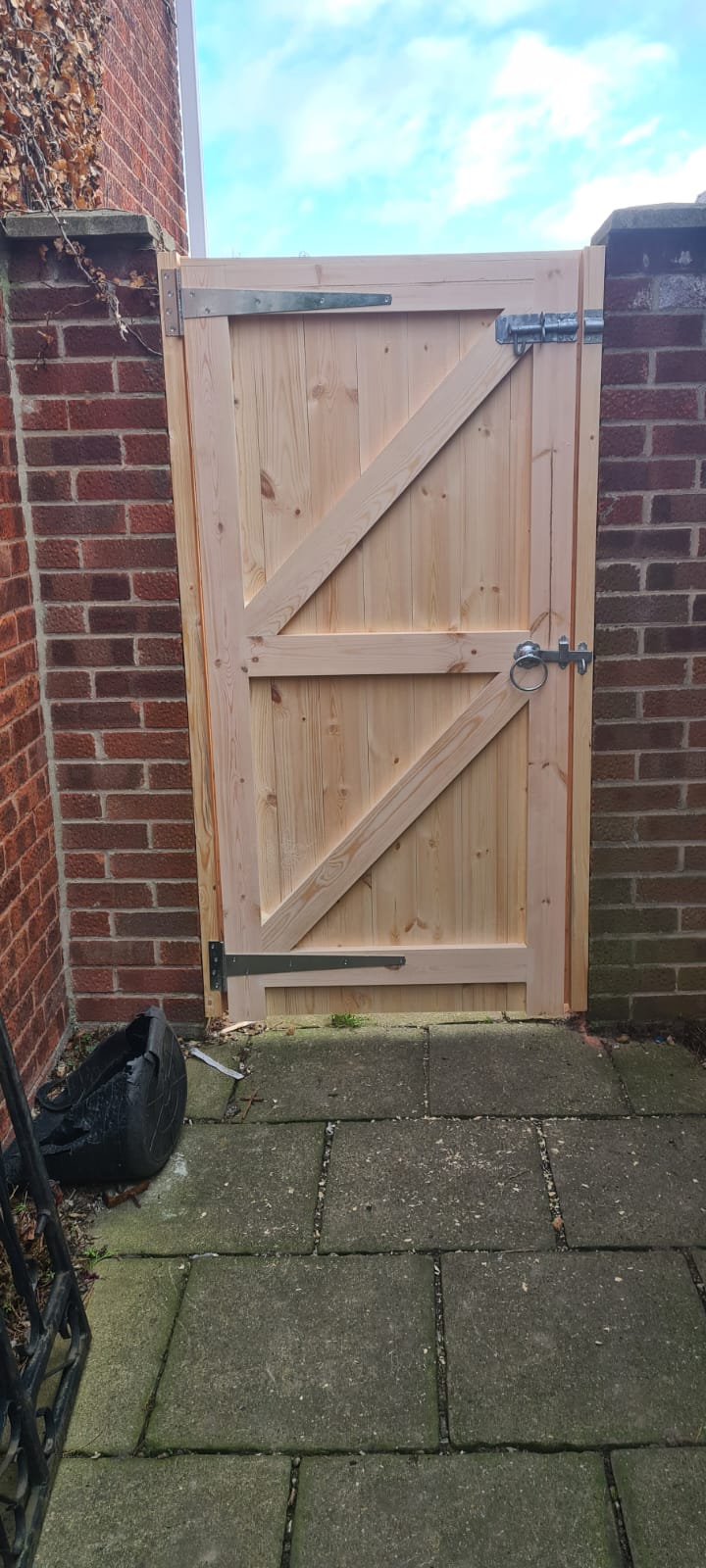
A well-made timber gate can weigh far more than it first appears, particularly once it has been fitted with ledges, bracing, cladding and substantial ironmongery. Choosing the best hinges for heavy gates is therefore not a finishing touch. It is what keeps the gate hanging straight, opening cleanly and staying secure through years of wet weather, daily use and seasonal movement.
For most traditional wooden driveway and garden gates, hook and band hinges remain the sensible choice. They spread the load across the face of the gate, suit the character of timber joinery and can be sized properly for the job. The right set depends on the gate’s width, weight, mounting arrangement and the condition of the posts - not simply on which hinges look the heaviest in a photograph.
Why heavy gates need the right hinge arrangement
A hinge carries more than the static weight of a gate. Every time the gate is opened, shut or caught by a gust of wind, the fittings transfer force into the gate frame and the supporting post. If the bands are too short, too light or fixed into weak timber, the gate can gradually drop at the latch end. You may then find it dragging on the driveway, catching on the ground or refusing to meet the latch neatly.
Long, well-proportioned bands reduce this strain by spreading the load across a greater area of timber. On a handmade timber gate with proper rails, braces and mortice and tenon joints, they help the whole construction work as it should. Short decorative straps may look appealing, but they are rarely the right answer for a broad or particularly weighty gate.
The post matters just as much. Even the strongest hinges cannot compensate for a loose, undersized or poorly set gate post. A heavy driveway gate needs substantial posts installed upright, at the correct depth and in sound ground. Before ordering ironmongery, make sure the supporting structure is worthy of the gate itself.
Best hinges for heavy gates: hook and band types
Traditional hook and band hinges consist of a long flat band fixed to the gate and a hook or pintle fixed to the post or masonry. The eye at the end of the band sits over the hook, allowing the gate to swing. It is a simple, proven arrangement, and one that is particularly well suited to made-to-measure timber gates.
Straight hook and band hinges
Straight bands are the familiar choice for framed wooden gates. The band runs horizontally across the gate rail and is usually supplied with either carriage bolts or coach screws, depending on the fixing method. For a garden gate of modest width, straight hook and band hinges offer excellent support without adding unnecessary complication.
For heavier gates, choose a substantial forged or heavy-duty steel version and ensure the band reaches well towards the centre of the gate. As a useful rule, the hinge band should be around one-third of the gate width, and often longer for wide driveway leaves. This is guidance rather than a substitute for assessing the actual gate weight and construction.
Cranked hook and band hinges
Cranked bands have an offset bend that positions the gate differently in relation to the post. They are useful where a gate needs to sit flush with the face of a post, clear an obstruction or achieve a particular opening position. The crank must suit the post and gate arrangement, so it is worth checking dimensions before committing to a finish or drilling any holes.
A cranked hinge is not inherently stronger than a straight one. Its advantage is alignment. Used correctly, it can provide the clearance needed for a gate to swing freely without rubbing on the post, paving or a sloping entrance.
Adjustable hook and band hinges
Adjustable hinges are often the best option for heavy timber driveway gates, especially on installations where precise alignment matters. Threaded adjusters allow the gate position to be altered after fitting, making it easier to correct small changes in level or maintain a clean meeting line between a pair of gates.
Timber naturally responds to changes in moisture and temperature. Quality engineered timber construction is designed for greater stability than ordinary pressure-treated softwood, but every exterior gate benefits from the ability to make minor adjustments over time. Adjustable fittings are particularly worthwhile where the gate is wide, heavy or fitted between substantial posts with little room for error.
Their trade-off is appearance and cost. Some homeowners prefer the clean traditional look of fixed hook and band hinges, while others value the practical flexibility of an adjustable system. Neither choice is wrong when it is properly matched to the gate.
Choose hinge size by gate width and weight
There is no single hinge size that suits every heavy gate. A narrow solid timber garden gate may be well supported by 18-inch bands, while a wide driveway gate may require 24-inch, 30-inch or longer bands. Thickness also matters. A long but thin decorative hinge may not have the strength required for a dense timber gate.
Start with the gate width. The longer the leaf, the greater the leverage acting on the hinge side. Then consider the build-up of the gate: close-boarded or fully clad gates, gates with heavy top rails, and gates carrying locks, drop bolts or decorative metalwork will weigh more than an open-bar design of the same size.
For a pair of driveway gates, assess each leaf separately. Unequal leaves are common on entrances where one side is used as a pedestrian access gate. The wider leaf will normally need more substantial hinges, even if both leaves are the same height.
If there is any doubt, it is better to specify fittings with a sensible margin than choose the lightest option that may just cope. Oversized hinges can look appropriate on a traditional timber gate. Undersized ones tend to announce themselves later through sagging, wear and difficult operation.
The fixing method is part of the strength
Heavy hinges need through-bolting wherever the gate design allows it. Carriage bolts pass through the timber and are secured with washers and nuts on the reverse, giving a far more dependable fixing than screws alone. The smooth domed head on the front also gives a neat, traditional appearance.
Coach screws can be suitable for lighter gates or certain post arrangements, but they rely entirely on the holding strength of the timber. On a large driveway gate, through-bolting is usually the more secure choice. Use suitably sized galvanised or stainless-steel fixings so that the bolts are compatible with the hinges and can withstand exterior conditions.
Fix the bands across strong horizontal rails, not merely through cladding boards or infill. If the gate has a traditional ledge and brace design, the hinges should align with the ledges. On framed gates, they should sit on the main rails. This ensures the load is carried by the gate’s structural timber rather than by decorative components.
Finish, weather protection and maintenance
For UK conditions, galvanised steel is a practical starting point. It provides good resistance to corrosion and suits working gates in exposed locations. Black powder-coated or black painted fittings offer the classic look many homeowners want, although any coating can be damaged by knocks and will benefit from occasional inspection and touch-up.
Stainless steel can be a worthwhile choice near the coast or in areas with persistent damp, but its appearance is more contemporary and it may not suit every traditional gate design. The best finish depends on the setting as much as the weather. A rural driveway with black ironmongery may call for a different choice from a modern rendered property.
Apply a suitable lubricant to moving points periodically and check that bolts remain tight. Avoid coating hinge pins with thick paint, as this can make operation stiff and trap moisture. A gate that starts to catch should be dealt with early. Often a small adjustment to an adjustable hinge is all that is needed, whereas continued dragging can strain both the fittings and the timber.
Do not overlook opening direction and clearance
Before ordering, decide whether the gate will open inwards or outwards and confirm that it has enough clearance throughout its swing. Sloping driveways, uneven paving, raised gravel and nearby walls can all affect hinge choice and mounting position. A gate may look perfectly level when closed but foul the ground halfway through opening.
For double gates, allow for the latch, drop bolts and a modest clearance between the leaves. Where gates are fitted to timber posts, leave enough room for adjustment without compromising the gap at either side. Careful measuring before manufacture and installation avoids improvised packing pieces and fittings positioned where they cannot perform properly.
A heavy gate should feel controlled rather than difficult to move. If you are choosing a bespoke timber gate, discuss its final width, style, post size and intended ironmongery together. That small amount of planning gives the hinges the support they need and lets a well-crafted gate do its job properly for many years.


Comments