

Best Gates for Period Homes That Look Right
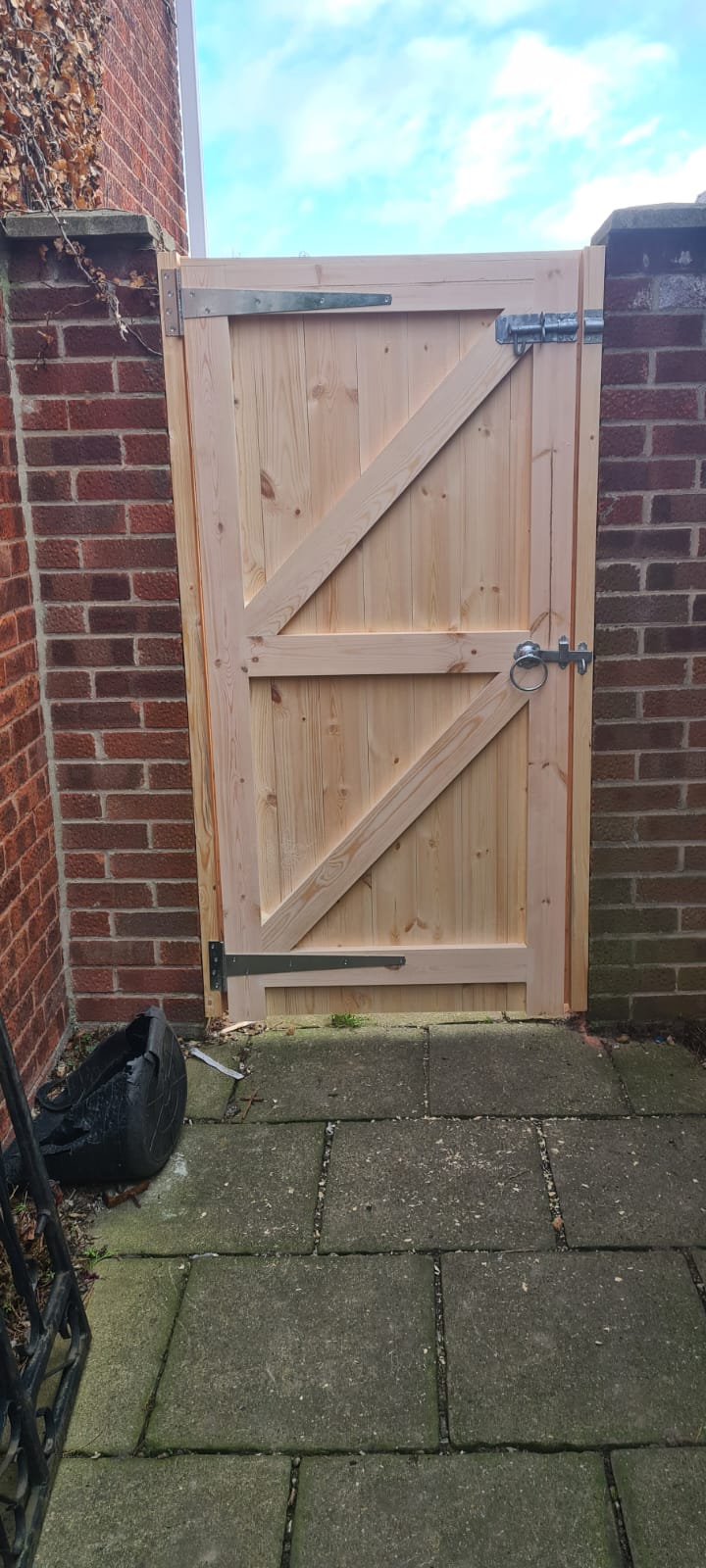
A gate can make a handsome period house look considered from the road, or look like an afterthought before visitors have reached the front door. The best gates for period homes are not simply the most decorative ones. They suit the age, scale and character of the property, while being properly made to withstand everyday use and British weather.
For many homeowners, the right answer is a straightforward timber gate with good proportions, sound joinery and details that belong to the house. A cottage does not need an oversized, heavily ornate entrance. Equally, a substantial Victorian villa can look underwhelmed by a lightweight five-bar field gate. Getting the balance right matters.
Start with the house, not the gate
Period properties were built with distinct local styles, materials and practical needs. Before choosing a design, stand back and look at the front boundary, driveway width, existing brickwork, stonework and fencing. The gate should feel as though it has always had a place there.
Look at the lines already present. Tall sash windows, formal brick pillars and a straight driveway often suit a more upright, symmetrical gate. Lower cottages, flint walls and informal gardens tend to work better with softer curves and simpler pickets. If the original gate or old photographs remain, they can provide the most useful starting point.
The gate must also suit its job. A pedestrian entrance needs a comfortable latch height and enough privacy without making a narrow path feel enclosed. Driveway gates need adequate ground clearance, strong posts and room to open safely. Style is essential, but a gate that drags, twists or cannot clear a slope will soon become a frustration.
Best gates for period homes by property style
Cottage and rural homes
For cottages, country houses and older rural properties, a boarded gate or a simple picket design is often the most natural choice. Vertical tongue-and-groove boarding gives privacy and can be finished with a gently arched top to soften the entrance. A curved top rail can work particularly well against brick, stone or rendered walls, provided the curve is modest rather than overly elaborate.
Open-spaced picket gates are a good fit where the front garden is part of the charm. They keep sightlines open and offer a traditional, welcoming appearance. Spacing, rail thickness and the shape of each picket make a real difference. Plain square tops are restrained and practical, while a modest pointed or rounded profile can add character.
Five-bar gates are a familiar rural choice for wider entrances, especially where a driveway leads to a farmhouse, converted barn or larger plot. They are not automatically right for every old property, though. On a formal village house, a field-style gate can appear too agricultural unless the surrounding setting supports it.
Victorian and Edwardian houses
Victorian and Edwardian homes often carry more vertical emphasis and detail. A closeboarded gate with a shaped top, framed construction and traditional ironmongery can sit comfortably beside a brick boundary wall. For a more formal frontage, matching driveway gates with a central meeting stile create a balanced appearance.
This is where proportions are especially important. Tall gates can look right between substantial brick piers, but they need a design with enough open space or panel detail to avoid becoming a solid, imposing barrier. A lower rail, vertical boards and a carefully shaped top can give the gate presence without excessive fuss.
Properties with original cast-iron railings or ornate metalwork may call for a timber design with simpler lines, allowing the existing features to remain the focus. Trying to copy every decorative detail in wood can make the overall entrance feel busy.
Georgian and more formal homes
Georgian properties generally suit order, symmetry and restraint. Straight-topped driveway gates, evenly spaced pales, and balanced proportions are often more appropriate than sweeping curves or decorative cut-outs. A pair of gates should read as a pair, with matching rails, spacing and height.
A painted finish can look particularly effective here, especially where the house already has painted joinery. Traditional shades such as black, deep green, stone, grey or off-white can work well, but the final colour should relate to the front door, window frames and boundary treatment rather than follow fashion alone.
Arts and Crafts and early twentieth-century homes
Arts and Crafts properties are often well served by strong, honest timber construction. Gates with wider vertical boards, simple square framing and a slight arch or stepped top can echo the practical craftsmanship of the house. The attraction lies in the timber and joinery, not unnecessary ornament.
This is a good setting for visible rails, sturdy posts and hand-finished ironmongery. A well-made gate should look substantial without looking heavy. The detail is in the quality of the construction.
Timber construction matters as much as appearance
A period-style gate should not only look traditional. It needs to be built to cope with changing moisture levels, regular opening and closing, and years of exposure to rain and sun.
Solid timber has a traditional appeal, but it can move, split and twist when exposed to the elements. Engineered timber construction offers a practical alternative for homeowners who want the warmth and character of wood without paying hardwood prices. By laminating selected timber sections, movement is reduced and the finished gate is better able to remain stable.
Joinery is equally important. Mortice and tenon joints create a proper mechanical connection between rails and stiles, rather than relying on screws driven through the face of the gate. When combined with exterior-grade D4 adhesive and hardwood dowels, this provides the strength needed for a gate that is used every day.
At Premier Timber Gates Ltd, gates are handmade to order using this type of engineered construction. That makes it possible to match awkward openings and non-standard boundary lines without forcing a period property to accept an off-the-shelf size.
Choose the right height and degree of privacy
A common mistake is choosing height purely for privacy. A very tall gate can overpower a low wall or make a modest frontage feel closed off. Conversely, a gate that is too low may leave a driveway exposed and fail to provide the security or screening required.
For front gardens, a lower open gate often keeps the property friendly and visible from the street. On a side passage or rear boundary, a taller boarded gate may be more useful for privacy and security. If the property is in a conservation area, or is listed, check whether restrictions apply before changing boundary gates, walls or piers. The design may need to respect the established street scene.
Driveway gates should also be proportioned to the posts. Strong timber posts, correctly set and braced where necessary, are essential. A beautiful pair of gates cannot perform well if the posts are undersized, poorly installed or already leaning.
Ironmongery should support the style
The hinges, latch and fastenings are working parts, but they also contribute greatly to the final look. Traditional black or galvanised ironmongery usually sits well with timber gates on period homes. Long strap hinges can add visual balance to a wider gate, while tee hinges are often suitable for lighter pedestrian gates.
Do not choose ironmongery by appearance alone. The hinges must be rated for the weight and width of the gate, and the latch should be convenient to use from the side people actually approach. For driveway gates, a drop bolt helps keep the leaves secure when closed and reduces strain on the hinges in windy conditions.
Automation is possible on many timber driveway gates, but it should be planned before manufacture. Gate weight, opening direction, underground services and the position of the motors all need consideration. For some period frontages, manually operated gates remain the neater and more practical choice.
Finishing and maintenance without spoiling the character
A timber gate needs a protective finish if it is to stay looking its best. Primer and exterior paint offer the greatest scope for matching existing painted joinery, while oils and stains allow more of the grain to show. Neither choice is maintenance-free. Painted gates need inspection for chips and failed edges, while oiled finishes need refreshing to maintain protection and colour.
Pay particular attention to end grain, lower rails and areas around ironmongery. These are the places where moisture tends to find a way in. Keeping the gate clear of standing water and ensuring a sensible gap above the ground will also extend its service life.
The best choice is rarely the fanciest gate in a brochure. It is the one that respects the house, fits the opening properly and has been made well enough to earn its place there year after year.


Comments