

Do Wooden Gates Need Treatment? A Practical Answer
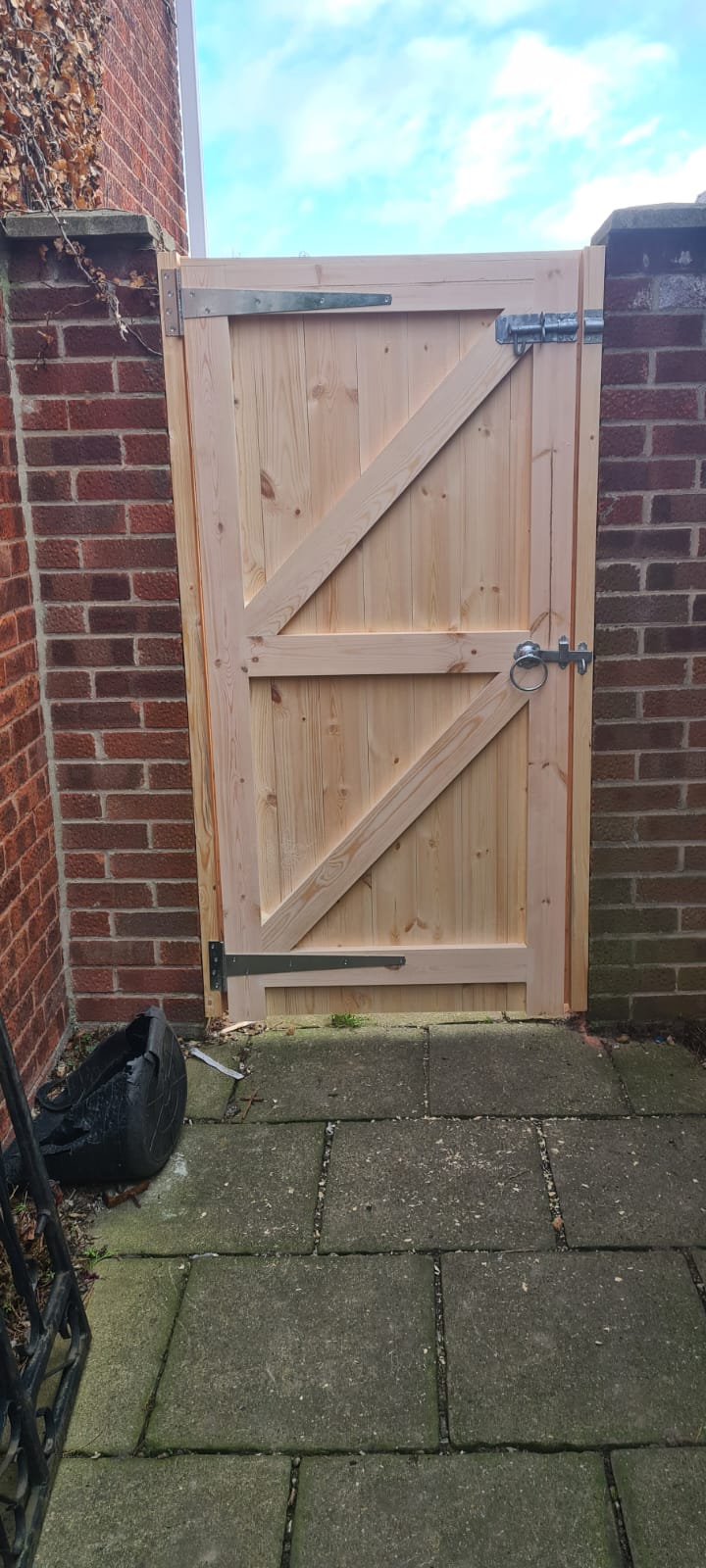
A new timber gate can look finished the day it is fitted, but the British weather soon tests every exposed surface. So, do wooden gates need treatment? In nearly every case, yes. Treatment helps protect the timber from rain, sunlight, surface moisture and seasonal movement, while keeping the gate looking as good as the day it was installed.
The right product and maintenance interval depend on the timber, the gate's position and the finish you want. A sheltered side gate will not face the same punishment as a south-facing driveway gate on an exposed property. What does not change is the need to inspect and maintain the finish before weathering becomes a repair job.
Why wooden gates need treatment outdoors
Timber is a natural material. It absorbs and releases moisture as humidity and temperature change. When a gate repeatedly becomes wet and then dries, its boards can expand, contract and eventually develop surface checks or splits. This movement is normal to a degree, but a suitable coating slows the rate at which moisture enters the timber.
Treatment also limits the effects of ultraviolet light. Sunlight breaks down the surface fibres of unprotected wood, turning it grey or silver over time. Some homeowners like that weathered appearance, but grey timber is not necessarily protected timber. Once the surface has opened up, water can sit in the grain and encourage staining, mildew and premature deterioration.
A properly made gate starts with sound construction. Strong mortice and tenon joints, exterior-grade D4 glue and hardwood dowels all help a gate remain stable in service. Engineered timber can also offer greater consistency than ordinary pressure-treated softwood. Even so, no construction method removes the need to protect exposed timber. Good joinery and a good finish work together.
Treatment is not the same as pressure treatment
This is an area that often causes confusion. Pressure treatment is a preservative process carried out before the timber is made into a gate. It is intended to help protect timber against fungal decay and insect attack. It does not provide a lasting decorative or water-repellent finish on its own.
A surface treatment, such as a timber oil, stain, preservative or paint system, protects the outside of the gate from the elements and gives it its final colour. It is the coating you will see, clean and renew over the years.
A pressure-treated gate may still need painting, staining or oiling. Equally, an engineered timber gate should be finished carefully even where its construction gives it a stability advantage. Treating a gate is not an admission that the timber is poor quality. It is sensible exterior maintenance.
Which finish should you choose for a wooden gate?
The best option comes down to appearance, exposure and how much future upkeep you are prepared to undertake.
Timber oils and clear finishes
Oil is a popular choice when you want to retain a natural timber appearance. It soaks into the surface rather than forming a thick film, which can make touch-ups straightforward. A quality exterior oil can enrich the grain and help repel water, but clear finishes generally offer less UV protection than coloured products.
For this reason, a natural or clear-oiled gate in full sun may need attention more often than one finished with a pigmented stain. Oil is an excellent practical choice, provided you are willing to reapply it when the surface begins to look dry rather than waiting for the timber to fade badly.
Wood stains and preservative finishes
A microporous stain or coloured preservative gives the timber colour while allowing it to breathe. The pigment helps shield the surface from sunlight, so mid-tone and darker shades often last longer than clear treatments in exposed positions.
Stains are a sensible middle ground for homeowners who want visible grain but would prefer fewer maintenance visits. Always follow the product instructions on preparation, number of coats and drying conditions. Mixing products from different systems can lead to poor adhesion or an uneven finish.
Paint and primer systems
Paint offers the greatest choice of colour and can provide excellent coverage when applied over the correct exterior primer. It suits gates where a solid, traditional painted finish is wanted to match windows, fencing or front-door joinery.
The trade-off is preparation. Painted timber needs regular checking, especially on horizontal rails, lower edges and around joints. When paint remains sound, it is easy to refresh. If it is left until it is peeling or cracked, the gate will need more thorough sanding and preparation before repainting.
When should a new gate be treated?
Ideally, finish the gate before installation, particularly on areas that will be hard to reach later. Coat all faces, top and bottom edges, end grain, joints and any cut-outs for ironmongery. The bottom of a gate is often missed, yet it is close to splashback from paving and wet ground.
If fitting requires trimming, drilling or cutting, seal those fresh exposed areas before the gate is hung. Bare end grain takes in moisture faster than a broad face, and small untreated cuts can become the starting point for staining or movement.
Choose a dry day and work within the coating manufacturer's temperature guidance. Timber should be dry and clean before treatment. Applying oil, stain or paint to damp wood can trap moisture or prevent the product from bonding properly.
For gates that arrive ready for a finish, do not leave them bare while you wait for a convenient weekend. Even a short spell of wet weather can mark untreated timber. Make finishing part of the installation plan, alongside setting posts, hanging the gate and fitting latches, hinges and stops.
How often should you retreat a wooden gate?
There is no honest one-size-fits-all timetable. Many gates benefit from an annual inspection and a maintenance coat every one to three years, but exposure is the deciding factor. A gate facing prevailing rain, strong sun or coastal air may need more frequent care. One under cover and away from direct weather may hold its finish for longer.
Rather than relying solely on a calendar, look for the early signs that protection is wearing thin. Water that no longer beads on the surface, fading colour, a dry or rough feel, fine cracking in the coating and dark marks around joints all suggest it is time to act.
Do not wait for the timber to go black, split deeply or develop peeling paint. A light clean and a fresh maintenance coat is quick work. Restoring an exhausted finish takes considerably more time.
The areas most likely to need attention
A gate does not weather evenly. Horizontal top rails collect rain, while lower rails and bottom edges receive splashback from soil, gravel and paving. The ends of rails, the tops of posts and places where ironmongery meets timber are also worth checking closely.
Keep vegetation away from the gate so air can circulate. Wet leaves, climbing plants and soil piled against the bottom rail hold moisture where it is least wanted. If a gate catches on the ground, adjust it promptly. Dragging can remove the protective coating from the bottom edge and place unnecessary strain on the hinges.
It is also wise to check the hardware at the same time. Loose hinges and latches can make a gate drop out of line, creating rubbing points that damage the finish. A well-hung gate opens freely, closes cleanly and gives the timber the best chance of staying dry.
A straightforward maintenance routine
Start by brushing away dirt, cobwebs and loose surface debris. Wash the gate with a mild cleaner suitable for exterior timber, then allow it to dry thoroughly. Avoid aggressive pressure washing, as it can damage surface fibres and force water into joints.
Next, inspect for exposed wood, failed sealant, loose fittings and areas where water has been sitting. Lightly sand only where needed to remove raised grain or loose paint. Apply the chosen treatment evenly, paying particular attention to end grain, lower edges and the tops of rails and posts.
If you are changing from oil to paint, or from one stain system to another, prepare more carefully and check that the new product is compatible. A coating is only as reliable as the surface beneath it.
A wooden gate is a working piece of exterior joinery, not a fit-and-forget purchase. Give it a proper finish at the outset and a little attention each year, and it will continue to provide the strength, privacy and kerb appeal that made timber the right choice in the first place.


Comments