

Wooden Gates With Nationwide Delivery UK
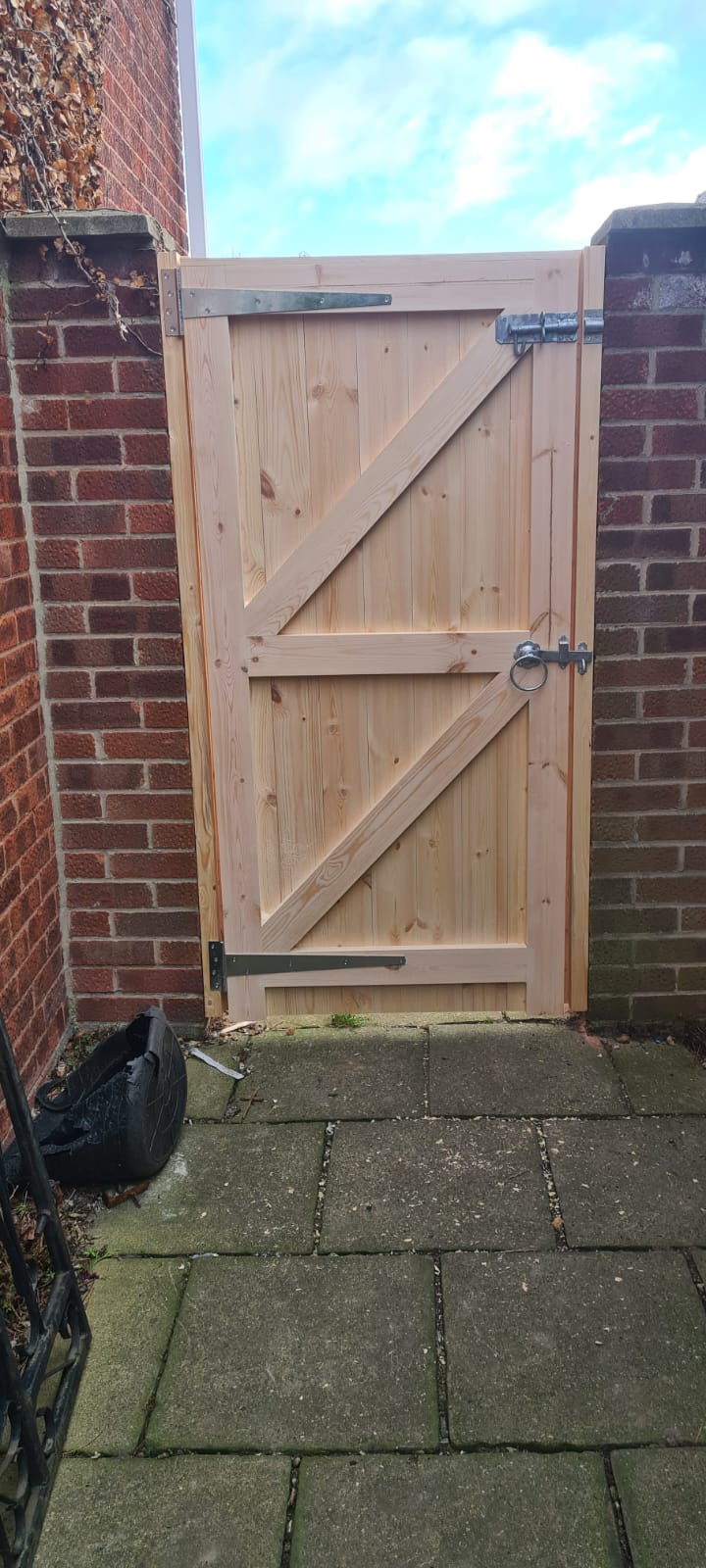
A gate can look right in a photograph yet be wrong for the opening, the ground level or the way your household uses it. That is why wooden gates with nationwide delivery should still be treated as a considered, made-to-measure purchase - not an off-the-shelf parcel. The right gate needs to suit your property, arrive safely and be ready for a sound installation.
For homeowners across the UK, ordering direct from a specialist workshop makes it possible to choose a gate built for the job rather than compromising around a limited standard size. Whether you need driveway gates for the front of the house, a side garden gate for security or a stair gate for family safety, good preparation makes all the difference.
Why made-to-order wooden gates are worth considering
A gate is a working part of the property. It opens and closes in wind, rain and changing temperatures, and it carries its own weight through every hinge and fixing. Appearance matters, particularly at the front of a home, but construction matters just as much.
Mass-produced gates are often available in a small range of widths and heights. They can be useful where an opening happens to match, but many properties do not. Older walls may be out of square, existing posts may not be perfectly positioned, and sloping driveways can affect the clearance required below the gate. A made-to-order gate gives you the chance to account for these details before manufacturing begins.
At M & D Woodcraft, gates are handmade in-house using engineered timber. This is selected for greater stability than standard pressure-treated timber, while remaining a more affordable option than hardwood. It is a sensible middle ground for homeowners who want a substantial gate without moving into the cost of premium hardwoods.
The way a gate is joined also affects how it performs over time. Mortice and tenon joints, exterior D4 glue and hardwood dowels create a far stronger structure than simply screwing rails onto a frame. No timber gate is completely maintenance-free, but proper joinery helps it stand up to regular use and the British weather.
Wooden gates with nationwide delivery: what to plan first
Nationwide delivery means you are not restricted to a local supplier, but it does put more responsibility on accurate ordering and site readiness. A bespoke gate is made around the information supplied, so measurements should never be rushed.
Start by deciding what you are measuring between. For a garden gate, this may be two existing posts or a wall and a post. For driveway gates, it may be the inside faces of gate posts, brick piers or another fixed structure. Measure the opening at the top, middle and bottom, especially if the walls are older. Use the smallest measurement as the starting point and allow for hinges, latch clearance and movement.
Height deserves equal care. Consider the finished ground level, any slope, gravel, paving and the clearance needed for a gate to swing freely. A gate that catches on a drive will soon damage its bottom rail and put strain on the hinges. If the opening is uneven or the installation is not straightforward, photographs and a clear sketch alongside your measurements can help identify issues before work starts.
It is also worth thinking about access before delivery day. Gates are substantial items, particularly pairs of driveway gates. Check where the delivery vehicle can stop, whether there is safe access from the roadside and where the gate can be stored flat, dry and supported until installation. Do not lean an unfinished gate against a wall for days on end, as this can encourage movement or damage.
Choose the gate around how the property is used
The best style is not always the most decorative one. A solid boarded gate offers privacy and can give a side entrance or garden boundary a more enclosed feel. An open-bar design allows light and sightlines through, which can be preferable on a driveway where visibility matters. Framed, ledged and braced designs remain popular for good reason: they are practical, traditional and well suited to many homes.
For a driveway, think about the width required for cars, vans, bins and visitors. Consider whether you need a matching pedestrian gate, and whether a pair of gates should have one active leaf used daily and a second leaf opened only for wider access. This can make the entrance easier to live with.
Garden gates need to balance security with convenience. A tall side gate may protect a private path, but it must still be manageable to open and close. If children or pets use the garden, choose reliable latching and avoid gaps that create a temptation to climb or squeeze through.
Stair gates have a different purpose altogether. They should suit the width of the stair opening and be fitted securely to suitable structure. A well-made wooden stair gate can sit far more naturally within a traditional home than a lightweight temporary alternative, provided it is correctly installed and used as intended.
Posts, hinges and fittings are part of the job
A well-built timber gate cannot compensate for weak posts or unsuitable ironmongery. The posts and fittings take the load, so they deserve the same attention as the gate itself.
For larger driveway gates, substantial gate posts and heavy-duty hinges are essential. The hinge type should suit the weight and style of gate, as well as whether it is mounted to timber posts or masonry. Adjustable fittings can be helpful where minor alignment changes are likely after installation, but they are not a cure for posts that have been set poorly.
Think through the everyday details as well: the latch position, a drop bolt for a pair of gates, a stop to prevent over-opening and a means of securing the entrance when required. Choosing the gate, posts, ironmongery and finish together avoids the common problem of trying to match unsuitable parts later.
If you are replacing old gates but retaining the existing posts, inspect them honestly. Rot near ground level, loose foundations and leaning posts are warning signs. Reusing them may appear cheaper at first, yet fitting a new gate to a failing support can create more cost and frustration later.
Finishing and maintaining timber gates
Timber is a natural material, and an exterior gate needs protection from moisture and sunlight. Applying a suitable primer and exterior treatment before fitting is usually easier than trying to reach every edge once the gate is hung. Pay particular attention to end grain, joints, cut-outs and the bottom of the gate, where water can sit.
Oils and finishes can enhance the timber’s natural character, while paint systems can give a more uniform colour. The better option depends on the look you want and how much maintenance you are prepared to undertake. An oiled finish can be straightforward to refresh, whereas painted gates may need more preparation when the coating eventually weathers. Either way, follow the product guidance and maintain the gate regularly rather than waiting for the finish to fail.
A quick seasonal check is worthwhile. Look for loose fittings, worn treatment, leaves trapped around the base and any signs that the gate is rubbing. Keeping hinges lubricated and drainage clear helps the gate operate properly. Small adjustments made early are usually simple; neglect can turn a minor issue into a distorted gate or damaged post.
Why direct workshop service matters
Buying from a specialist manufacturer gives you a direct route to the people who understand how the gate is made. That is particularly useful when your opening is non-standard, your ground slopes or you need a matching set of gates and posts. Instead of trying to adapt a standard product after it arrives, you can discuss practical requirements before the timber is cut.
It also gives you a clearer picture of what you are paying for: handmade production, engineered timber, proper joinery and a gate built to the dimensions agreed. Nationwide delivery broadens that access across the UK, while personal service keeps the purchase grounded in real measurements and real installation needs.
A wooden gate should feel like it belongs to the property from the day it is hung. Take the time to measure carefully, specify the fittings properly and prepare the site, and the finished result will be a gate that earns its place every time it opens.


Comments