

Bespoke Driveway Gate Guide for UK Homes
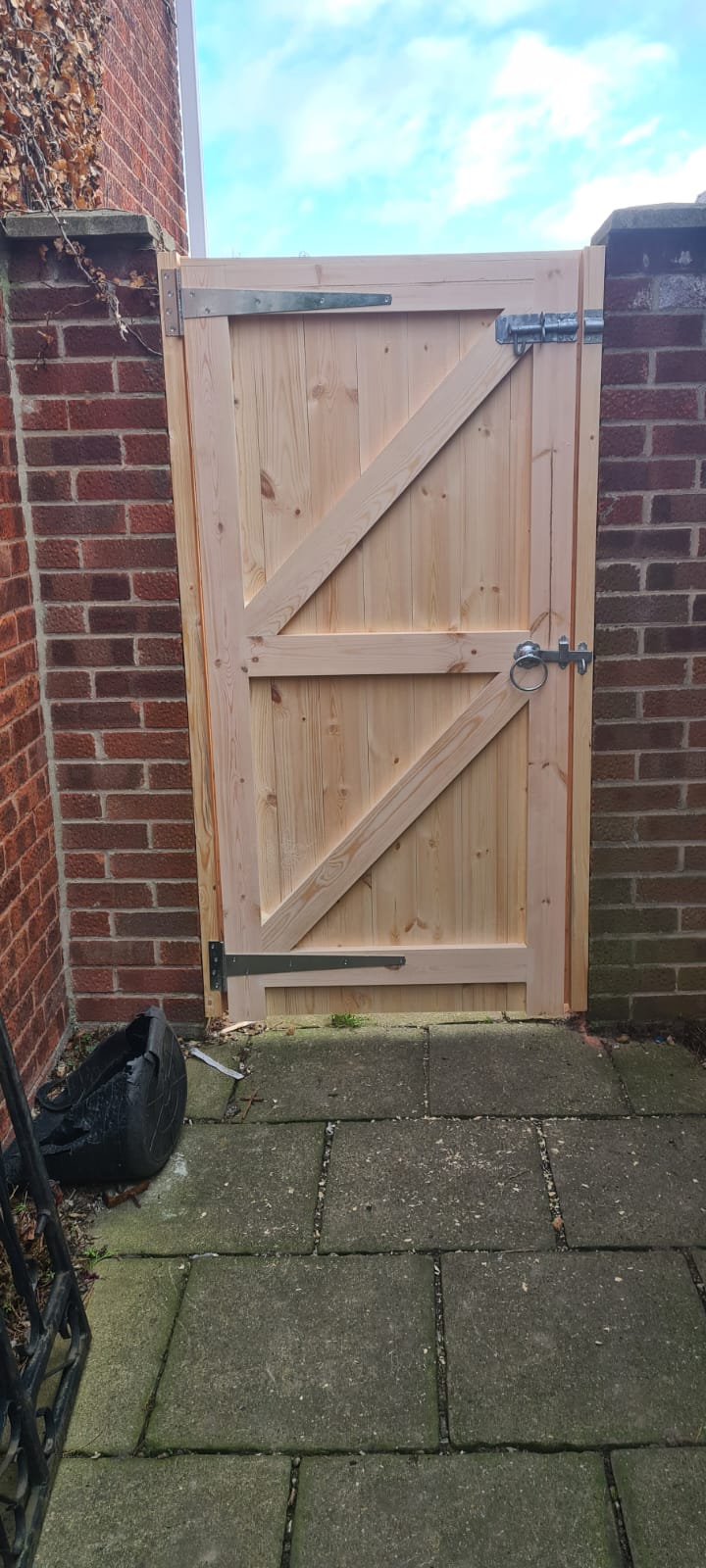
A driveway gate has to do more than look right from the road. It needs to suit the width and slope of your entrance, give reliable daily access, stand up to British weather and feel properly at home with the property. This bespoke driveway gate guide sets out the practical decisions worth making before your gates go into production.
For many homes, made-to-measure gates are the sensible answer. Standard sizes can leave awkward gaps, require unsuitable infill panels or force compromises around existing posts and walls. A gate built for the opening gives a cleaner finish and allows the design, height and fittings to work together from the outset.
Start with the driveway, not the gate design
The first consideration is the clear opening between the points where the gates will hang. This is not always the same as the distance between two existing posts. Old posts may be out of plumb, stonework may be uneven and hinges need room to operate correctly.
Measure the opening at ground level and again higher up, particularly where walls are older or the driveway rises. Note the finished ground level too. Gates need enough clearance beneath them to avoid catching on gravel, frost-heaved ground or a sloping drive, but not so much that security or appearance suffers.
When requesting a quote, provide the width and height you require, photographs of the entrance and any useful details about the ground. It also helps to state whether the gates will be fitted between existing posts, mounted to brickwork, or supplied with new timber gate posts. A workshop can only make an accurate gate when it has an accurate picture of the site.
Check how the gates will open
Most timber driveway gates are designed to swing inwards. Gates should not open out across a pavement or public highway, where they could obstruct pedestrians or passing traffic. Inward-opening gates also tend to give a more controlled arrival space within the property.
Consider the room available behind each leaf. A pair of gates may look balanced when closed, yet one leaf can meet a bank, parked car, bin store or raised kerb when opened. For a steeply sloping entrance, a bespoke solution may involve altered ground clearance, rising hinges or a revised layout. These details are best dealt with before the gates are made, not on fitting day.
Choosing the right bespoke driveway gate style
A good design should suit both the house and the job the gate has to do. A close-boarded or solid infill style provides more privacy and can make a busy roadside entrance feel more enclosed. An open-bar design lets light and air through, offers clearer sightlines when pulling out and can feel less imposing on a smaller frontage.
Curved tops, shaped rails and carefully proportioned vertical boards can add character without making the entrance overly ornate. On a period cottage, a traditional ledged appearance may be appropriate. For a newer property, clean straight lines and simple framing often give the strongest result. The aim is not to copy a catalogue image exactly, but to choose proportions that belong on your property.
Height deserves the same thought. Taller gates can improve privacy and presence, but a very high gate on a narrow driveway may feel heavy. Lower gates preserve visibility and a more open welcome. If security is the main concern, remember that the strength of the posts, hinges, latch and locking arrangement matters just as much as the gate height.
Timber construction that earns its place outdoors
A driveway gate lives with rain, sunlight, damp air and repeated movement. Its long-term performance relies on sound construction as much as on the timber itself. This is where handmade, engineered timber gates offer a clear advantage over lightly built, pressure-treated alternatives.
Engineered timber is made from selected sections arranged to improve stability. It is designed to reduce the natural movement that can lead to twisting, cupping and bowing in a wide gate leaf. It is not a promise that timber will never respond to weather - wood is a natural material - but it gives the gate a far better foundation for outdoor use.
Look for proper mortice and tenon joints rather than a frame simply screwed together. A well-made joint transfers load through the timber, which matters on gates that may be opened and closed thousands of times. Exterior-grade D4 adhesive and hardwood dowels add further strength where it is needed. These are traditional construction principles, applied with the practical knowledge needed for a working driveway entrance.
Hardwood has its place, but it comes at a considerably higher price. For many homeowners, engineered softwood construction offers the better balance: a substantial, made-to-order gate with good stability and a cost that remains realistic for the whole entrance, including posts and ironmongery.
Posts and ironmongery are part of the gate system
It is tempting to focus the budget on the visible timber gates, then treat posts and fittings as an afterthought. That usually proves false economy. A heavy pair of driveway gates is only as dependable as the structure carrying it.
New timber posts should be sized to suit the gate width, height and weight, then installed deeply and securely in suitable foundations. Existing timber posts need a close inspection for rot at ground level, movement and previous hinge damage. Brick or stone pillars can be suitable, but their condition, capstones and fixing points should be checked before drilling begins.
Choose hinges that are rated for the gate leaf and allow adequate adjustment. Adjustable hook and band hinges are a traditional, practical choice for many timber driveway gates because they support the gate across a broad area and allow alignment to be corrected over time. A proper centre stop, drop bolts and a dependable latch or lock make the gates easier to use and reduce strain when shut.
If you plan to automate the gates, say so at the measuring stage. Automation requires enough room for the equipment, suitable hinge geometry, firm posts or pillars and a gate design that the operator can move safely. The weight of each leaf, wind exposure and the available opening angle all affect the specification. An attractive gate that is poorly matched to its automation will not give trouble-free service.
Measuring details to provide for a made-to-order quote
A few careful notes can prevent delays and unnecessary alterations. For a bespoke driveway gate order, provide these four essentials:
The clear width between posts, pillars or walls, measured at more than one point.
The desired gate height, plus the ground clearance needed below the leaves.
Whether the gates will hang from existing supports or require new posts.
Clear photographs showing the driveway surface, slope, entrance and available swing space.
Also mention any pedestrian access requirement. In some cases, a matching side gate provides a much handier everyday route than opening a full pair of driveway gates for every delivery, visitor or walk with the dog.
Finishing and maintaining timber gates
A quality gate should arrive ready for a suitable finish, but it still needs protection after installation. Primer, paint or a timber oil helps shield the surface from moisture and ultraviolet light while allowing you to choose a colour that works with the property. The right finish depends on the look you want and the maintenance you are prepared to carry out.
Paint provides a more uniform, opaque appearance and can complement doors, windows or fencing. Oil shows more of the timber character but normally needs more regular refreshing, especially on exposed south-facing entrances. Whichever route you choose, coat all faces and edges as recommended, with particular attention to end grain and lower rails where water is most likely to sit.
Check gates periodically rather than waiting for a problem. Clear leaves and soil away from the base, inspect the finish for wear, lubricate moving metal parts and make small hinge adjustments if the leaves settle. These straightforward jobs protect both the timber and the investment in the entrance.
Premier Timber Gates Ltd makes made-to-order gates with the construction details that matter: engineered timber, mortice and tenon joinery, exterior-grade glue and hardwood dowels. The best result comes from matching that workshop quality with accurate site information and fittings chosen for the job.
Take time over the measuring and ask practical questions before ordering. A bespoke driveway gate should not simply fill an opening - it should work comfortably every day, hold its shape through the seasons and give your home the strong, well-made entrance it deserves.


Comments