

Can Wooden Gates Be Automated? What to Check
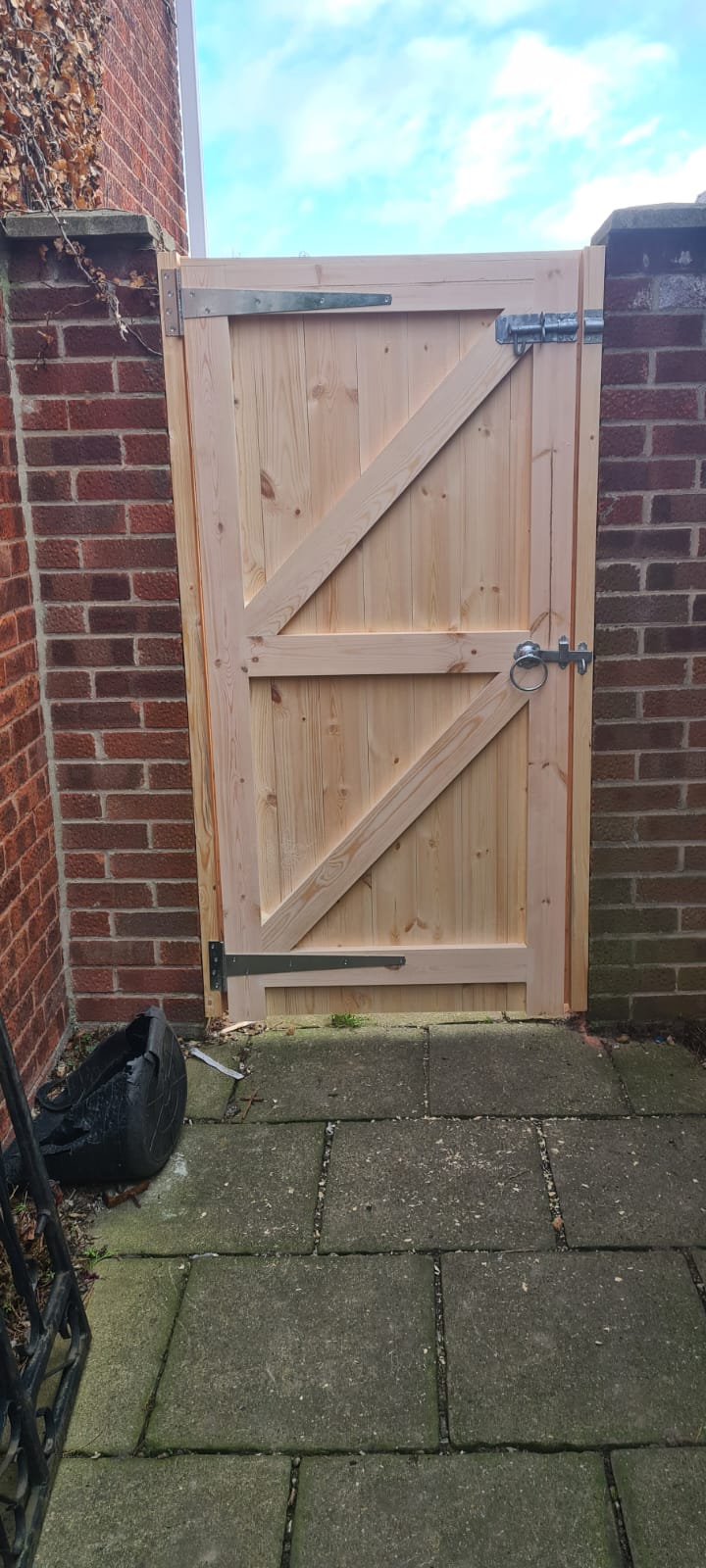
A well-made timber gate can make an excellent automated entrance, but the motor is only one part of the job. Homeowners often ask, can wooden gates be automated, particularly when upgrading a driveway or replacing tired manual gates. The answer is yes, provided the gates, posts and groundworks are designed to carry the extra demands of automation.
A gate operator cannot correct weak joinery, undersized posts or hinges that have begun to drop. Getting the foundations right first gives you a quieter, safer and more reliable electric gate for years to come.
Can wooden gates be automated safely?
Wooden driveway gates can be automated safely when they are properly built, correctly hung and fitted with a suitable system by a competent installer. Timber is not a barrier to automation. In fact, it remains a popular choice for British homes because it provides privacy, character and a finish that sits naturally with brick, stone and rural surroundings.
What matters is the condition and specification of the gate. Automation adds repeated movement, starting and stopping forces, and exposure to wind when the gates are open. A lightweight, poorly braced softwood gate may work by hand for a while, yet twist or sag under frequent powered use. A made-to-measure gate with sound rails, braces and secure joints is a far better starting point.
At Premier Timber Gates, our engineered timber construction is intended to offer greater stability than standard pressure-treated timber without the cost of hardwood. Mortice and tenon joints, hardwood dowels and D4 exterior-grade glue all help create a gate that is fit for daily use. Even so, every automated installation must be assessed on its own merits.
Start with the weight, width and style of the gate
Every operator has limits for gate weight, leaf width and duty cycle. These figures are not interchangeable. A pair of 1.8-metre timber gates may look similar to another pair, but their actual weight can differ considerably depending on thickness, framing, boarding, decorative tops and ironmongery.
Solid boarded gates offer privacy but catch more wind than open designs. This does not mean they cannot be automated. It does mean the installer needs to allow for wind loading and choose motors, posts and hinges accordingly. Exposed driveways, coastal locations and properties on higher ground deserve particular care.
The direction of travel also affects the choice. Most timber driveway gates are swinging gates, opening inwards towards the property. This is usually the most practical arrangement, as gates must not swing out across a public road or pavement. If the driveway is too short or slopes sharply, a sliding gate may be more suitable, although it needs sufficient run-back space alongside the opening and a properly prepared track or cantilever system.
Swing gate operators for timber gates
For side-hung timber gates, common options include articulated arm motors, ram operators and underground operators. Articulated arms are often well suited to substantial timber gates and wider posts because their movement is more forgiving of the geometry around the hinge. Ram operators can provide a neat appearance, but the fixing positions and clearances must be correct.
Underground operators are discreet, with much of the mechanism below ground. They can suit a traditional entrance particularly well, but they require careful drainage and access for future servicing. Water sitting in an underground motor box is not a small inconvenience - it can shorten the life of the equipment.
No operator type is automatically best. The right choice depends on the gate size, weight, post arrangement, available opening angle, ground level and how the entrance is used each day.
Posts and hinges carry the real load
The posts and hinges do more work than many people realise. Before fitting automation, check that the gate posts are substantial, straight and securely installed. Posts that move in the ground, lean towards each other or have started to rot at the base should be addressed before any motor is fitted.
Hinges should allow the gates to move freely throughout their full travel without binding. Adjustable hook and band hinges are often a practical choice for timber gates because they support the weight well and allow accurate alignment. For heavier gates, installers may specify heavier-duty hinges, rising hinges for sloping drives, or alternative arrangements to manage the load.
A properly hung gate should not need to be lifted, pushed hard or dragged across the ground to close. If it does, automation will simply place more strain on the problem. It is also wise to include a positive closed stop and, where required, an open stop. These simple details help keep both leaves aligned and protect the operator from unnecessary force.
Do not overlook the driveway and power supply
Automation involves more than bolting a motor to the gate. The driveway needs clear space for the gates to open and close without striking kerbs, gravel ridges, retaining walls or parked vehicles. Uneven ground may need to be levelled, especially where low-clearance gates pass close to the surface.
A suitable electrical supply is also required. Cabling should be planned before hard landscaping is finished, not laid as an afterthought across a driveway. In some locations, solar-powered systems can be useful, particularly where bringing mains power to the entrance would be disruptive. Their performance depends on the site, panel position, daily use and winter light levels, so they are not the answer for every property.
Consider how visitors will use the entrance as well. A keypad, remote controls, intercom or video entry system can make daily access easier, but pedestrian access should be considered separately. A dedicated pedestrian gate often avoids opening the main driveway gates for every person arriving on foot.
Safety is part of the installation, not an optional extra
An automated gate is a moving machine, and it must be installed with proper safety measures. This is especially important where children, pets, visitors or delivery drivers may be near the entrance. The final arrangement should be assessed by a knowledgeable installer, with safety devices chosen for the site and the gate design.
Depending on the installation, this can include photocells to detect an obstruction, safety edges on closing points, force limitation, warning signs and a manual release for use during a power cut. The installer should test the gate after commissioning and explain how the system works, including the release procedure.
Avoid treating an electric gate kit as a simple weekend addition to a heavy driveway gate. Some capable homeowners can prepare posts, gates and cable routes, but the electrical work, safety assessment and final set-up should be handled properly. A gate that closes reliably is not necessarily a gate that is safe to use.
Is an existing wooden gate suitable for automation?
Existing timber gates can sometimes be automated, but an honest inspection comes first. Look for loose joints, split rails, soft areas around fixings, warped boards, rusted hinges and gates that no longer meet cleanly in the centre. Fresh paint can improve appearance, but it will not restore structural strength.
If the gates are fundamentally sound, adjustments to hinges, posts and stops may be enough before automation is added. If they have already sagged or twisted, replacing them is often better value than fitting motors to a gate nearing the end of its useful life. The operator will only highlight faults that manual use may have hidden.
When ordering new gates, tell the manufacturer from the outset that they are intended for automation. This allows the gate size, weight, framing and hinge positions to be considered alongside the planned operator. Made-to-measure work is particularly valuable on awkward entrances, where a standard-width pair can leave poor gaps or create difficult opening angles.
Maintaining an automated timber gate
Timber needs routine care outdoors, whether the gate is manual or electric. Use a suitable exterior finish or treatment as specified, inspect the gate annually, and deal with damage before moisture gets into exposed end grain or joints. Keep moving parts clean, make sure drainage channels remain clear, and arrange servicing for the automation equipment in line with the installer or manufacturer's guidance.
The best automated timber gates feel uncomplicated in everyday use because the preparation was done properly. Choose a gate built for the job, make sure the posts and hinges are equal to the load, and let the automation be specified around the entrance rather than forced onto it. That approach protects both the look of your property and the investment behind the gates.


Comments