

Garden Gate Styles for Every British Garden
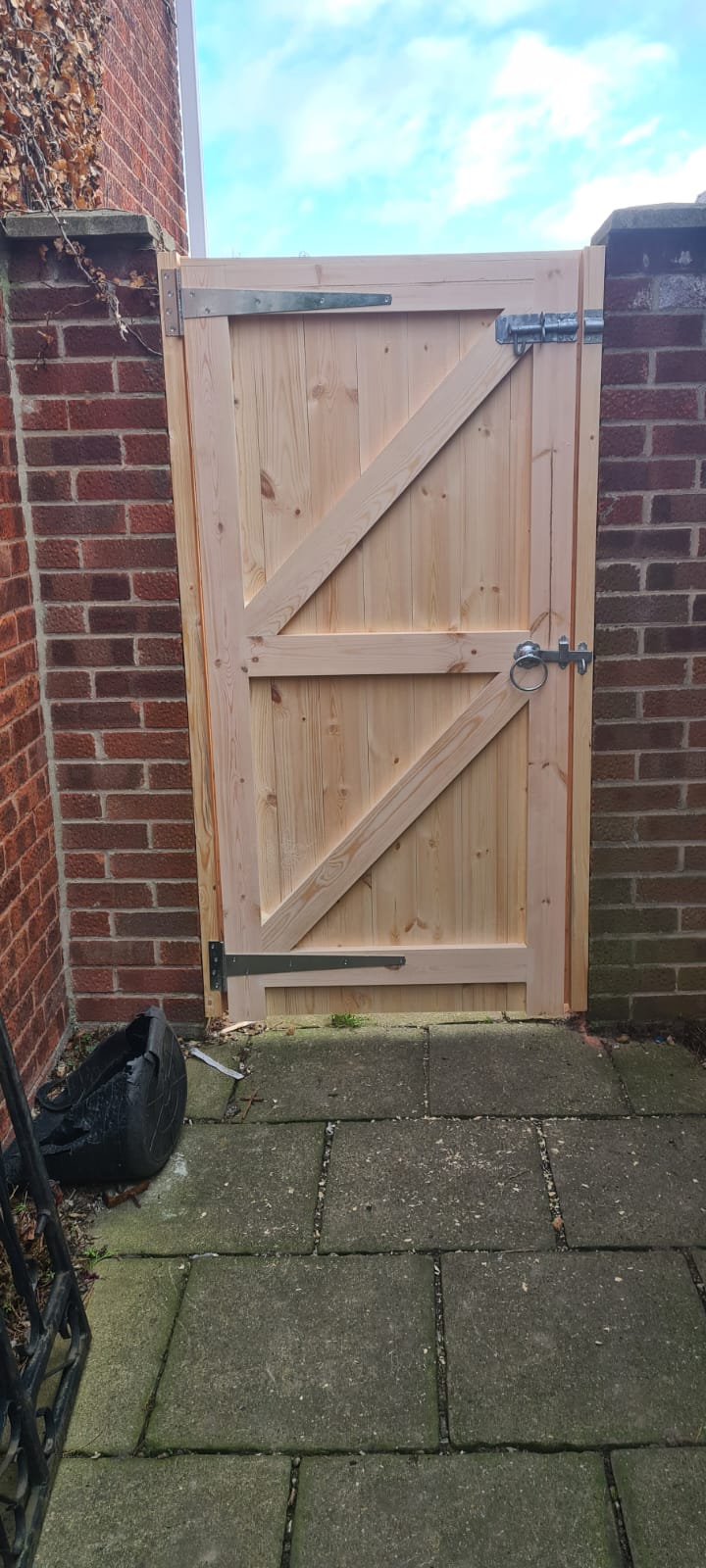
A garden gate is often the first part of a boundary that visitors touch, see and judge. The right garden gate styles do more than fill an opening: they set the level of privacy, guide people into the garden and give a fence, wall or side passage a finished appearance. For a period cottage, a close-boarded timber gate may feel right at home. For a newer property, clean horizontal slats or a simple framed design can give a more contemporary result.
The best choice is rarely just about appearance. Think about what the gate needs to do every day, from keeping children and dogs safely contained to screening a side path from view. Its proportions, construction and ironmongery all matter as much as the pattern of the boards.
Choosing garden gate styles for the job
Start with the purpose of the opening. A side gate between a house and garage usually benefits from solid boarding and a good height, particularly where security and privacy are priorities. A gate between the driveway and back garden may need to be wide enough for bins, garden equipment or a wheelbarrow. A lower gate at the front of a property can be more welcoming, while still marking a clear boundary.
It also pays to look at the existing surroundings. Matching every line of a fence is not essential, but the gate should look as though it belongs there. Repeating the same board width, top profile or timber finish creates a more considered result. If the boundary has brick piers, stonework or traditional fencing, a handmade timber gate with visible rails and well-proportioned framing often suits it better than a lightweight off-the-shelf panel.
Height deserves careful thought. A taller gate provides more screening, but it can make a narrow passage feel enclosed and may affect light to adjoining areas. A lower or partially open design brings more visibility and airflow, although it offers less privacy. There is no single best answer: the balance depends on the location of the gate and how the garden is used.
Popular timber gate designs
Framed, ledged and braced gates
This is a familiar and practical choice for side entrances, utility areas and traditional gardens. Vertical boards are supported by horizontal ledges, with diagonal braces helping the gate resist sagging. The brace should rise from the lower hinge side towards the upper closing side, so the load is directed back to the hinge post.
A properly made framed, ledged and braced gate has honest, traditional character. It works particularly well alongside close-board fencing and on properties where a decorative design would look out of place. The trade-off is that it has a more rustic look than a fully framed mortice and tenon gate, so details such as board spacing and the quality of the timber make a real difference.
Framed and boarded gates
For a stronger, more refined gate, framed and boarded designs are a sound choice. The outer frame gives the gate its structure, while vertical boarding creates a solid face. This style can be square topped, arched or finished with a gentle curved top depending on the property.
A solid boarded gate is a sensible option when neighbours overlook a pathway or when access to the rear garden needs to feel more private. It also gives plenty of scope for a traditional latch, ring handle or black ironwork. On wider or taller gates, strong joinery is especially valuable, as poorly assembled timber can twist or loosen under repeated use.
Picket and open-spaced gates
Picket gates are lighter in appearance and allow views through to planting, lawns and paths. They are well suited to front gardens, cottage-style settings and internal garden divisions where security is less of a concern. A pointed, round or flat picket top changes the character without making the design overly fussy.
Open-spaced styles are useful where wind needs to pass through the gate rather than push against a solid surface. They are not the best choice for a secluded side entrance, but can make a small front garden feel less shut in. Keep the spacing safe if young children or pets will use the area, as overly wide gaps can create problems.
Slatted and contemporary gates
Horizontal or vertical slatted gates offer a cleaner, more modern look. Narrow gaps between boards can provide a degree of screening while allowing light and air through. This makes them popular for newer extensions, landscaped gardens and properties with simple architectural lines.
The detail needs to be right. Slats should be evenly spaced, securely fixed and supported by a substantial frame. Wider gaps reduce wind pressure and add visual lightness, while closer spacing gives greater privacy. A slatted gate may look simple, but it still needs solid construction behind the clean lines.
Arched, curved and decorative tops
The top of a gate has a major effect on its appearance. A straight, flat top feels neat and understated. A gentle arch can soften the look of a garden entrance, while a curved or scalloped top suits more decorative boundaries and traditional homes.
Decorative shaping should complement the fence rather than compete with it. On a modest side gate, a simple top is often the better choice. For a prominent entrance visible from the road or patio, an arched framed gate can provide a stronger focal point. The important thing is proportion: the taller and wider the gate, the more room there is for detail without it looking overdone.
Construction matters as much as the style
A good-looking gate is only worthwhile if it stays square and reliable through British rain, frost and summer heat. Mass-produced gates are often made to a fixed size with limited attention to the joints. For a gate that will be used daily, stronger construction is worth considering from the outset.
Mortice and tenon joints are a traditional method for joining the frame, creating a mechanical connection rather than relying on screws alone. When paired with exterior-grade D4 adhesive and hardwood dowels, this type of joinery helps keep the frame firm over time. It is particularly useful for heavier boarded gates and non-standard openings where a gate needs to be made to suit the space rather than forced into it.
Engineered timber is another practical consideration. Carefully constructed engineered timber can offer improved stability compared with standard pressure-treated timber, helping to reduce the movement that leads to bowing, twisting and opening gaps. It provides a strong balance of performance and cost for homeowners who want a well-made wooden gate without moving to the price of hardwood.
Get the size, posts and swing right
Before ordering, measure the clear opening in more than one place. Brickwork, paving and existing posts are not always perfectly square, especially on older properties. Record the narrowest measurement, then allow for hinge clearances and the latch side. A made-to-measure gate is often the sensible route when the opening is unusual, tapered or between established brick piers.
Think about the direction of swing before fitting. The gate should open where it will not block a path, strike a wall, catch on a slope or create an awkward pinch point. In a narrow side passage, an outward-opening gate may be useful, but only if it does not open onto a public footpath or obstruct access. Check the ground level too: a gate that clears paving in summer may drag once the timber has absorbed moisture or the hinges have settled.
Posts need to match the weight and width of the gate. A substantial timber gate fixed to undersized or poorly set posts will never perform as it should. Strong posts, correctly installed below ground level and supported with suitable hinges, give the gate a proper foundation.
Finish and ironmongery complete the gate
A timber gate needs protection from the weather, particularly on end grain, joints and the lower edge nearest the ground. A suitable primer followed by an exterior paint system offers colour and coverage, while a quality exterior oil can retain a more natural timber appearance. Whichever finish you choose, follow the product guidance and maintain it before the coating has broken down.
Black galvanised or powder-coated ironmongery gives a traditional finish and works well with most timber designs. For exposed locations, choose hinges, bolts and latches designed for outdoor use. Adjustable hinges can be particularly helpful, allowing minor alignment changes without taking the gate down.
A garden gate should feel right every time it closes: substantial rather than flimsy, smooth rather than awkward, and suited to the character of the home. Choose the style you like, but give equal attention to the frame, posts and fittings behind it. That is what turns a simple garden boundary into a gate that earns its place for years to come.


Comments