

Why Engineered Timber Construction Makes Better Gates
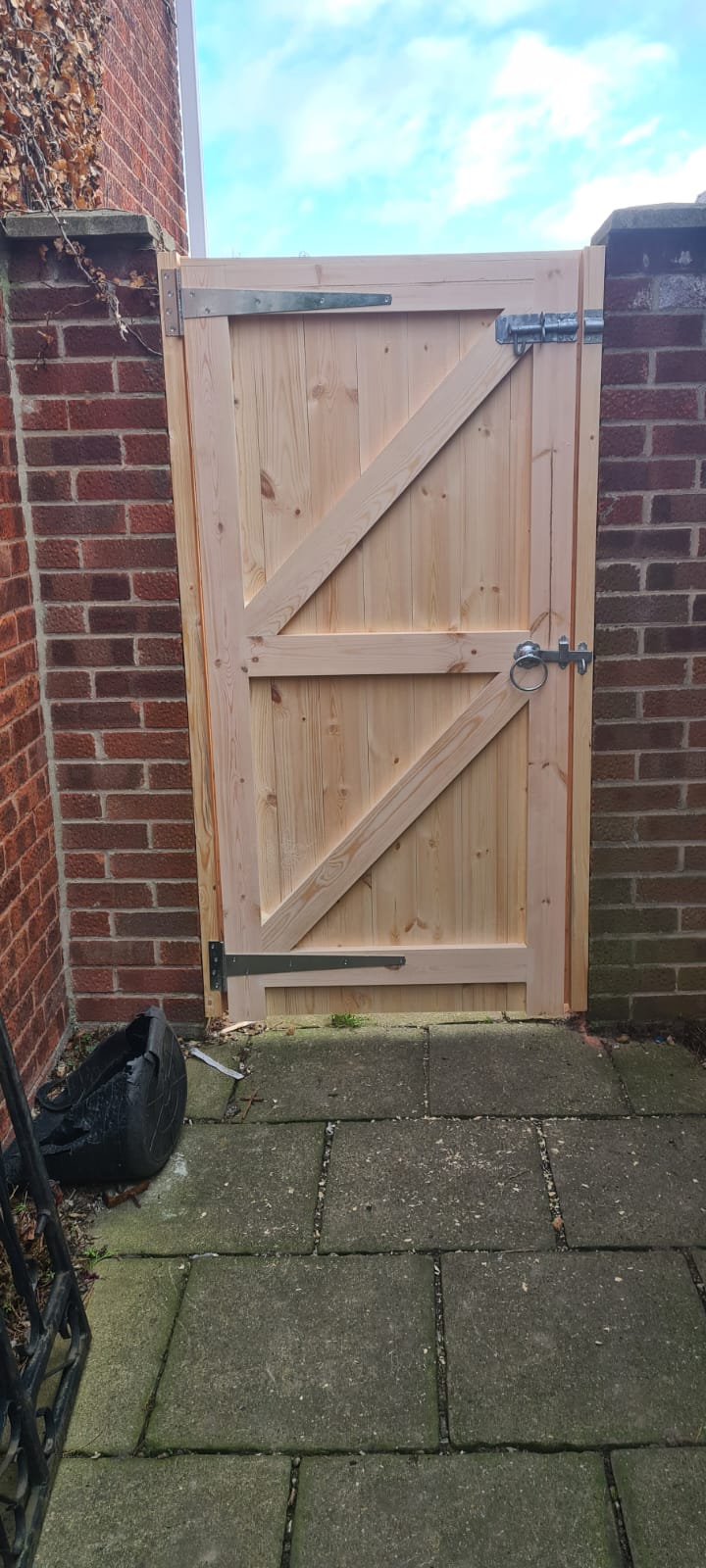
A wooden gate can look excellent on the day it is fitted, then begin to twist, bow or catch on the ground after a season of wet weather and summer sun. For homeowners, that is the difference between buying a gate and investing in one. Engineered timber construction is designed to tackle this very problem, giving handmade gates the strength and stability required for British gardens, driveways and exposed entrances.
It is not about making timber look artificial or replacing traditional joinery with factory shortcuts. Done properly, it combines carefully selected timber with sound workshop methods, allowing a gate to retain the character of wood while performing more reliably over time. For made-to-measure driveway gates and garden gates, that makes a real difference.
What engineered timber construction means
Timber is a natural material. It expands as it takes on moisture and contracts as it dries. A solid piece of timber can also contain stresses created as the tree grew and as the wood was dried. Once that timber is made into a wide gate leaf and exposed to the elements, those stresses can show themselves as movement.
Engineered timber construction uses timber sections arranged and prepared to reduce the effect of that natural movement. Rather than relying on a single wide board to stay perfectly straight, the material is constructed in a way that improves consistency and stability. The exact method can vary, but the aim is always the same: a stronger, straighter component that is better suited to exterior joinery.
For a gate, this matters most in the rails, stiles and large framed sections that carry the weight of the design. A stable frame gives the gate a better chance of hanging true, meeting cleanly at the centre and clearing the driveway or path beneath it.
Engineered timber should not be confused with cheap sheet materials. A properly made engineered timber gate is still a timber gate, built with solid woodworking principles. The difference is that the timber has been prepared to give a more dependable result than a basic pressure-treated softwood gate made from broad, movement-prone sections.
Why gates benefit from engineered timber
A gate has a harder life than most exterior joinery. It is fixed at one side, repeatedly opened and closed, exposed to rain, frost and direct sunlight, and often fitted at the front of a property where appearance matters. If it is a pair of driveway gates, the weight and leverage on the posts and hinges are greater again.
The first benefit of engineered timber is improved stability. Less movement in the timber helps keep the frame square and reduces the risk of unsightly twisting or cupping. No wooden gate is entirely immune to seasonal movement, but a well-engineered construction gives it a much better starting point.
Strength is equally important. At Premier Timber Gates, traditional mortice and tenon joints form the heart of the construction. These joints physically lock the rails into the stiles rather than simply relying on screws driven through the face of the timber. Combined with exterior-grade D4 glue and hardwood dowels, they create a durable frame built for regular use.
That combination is worth looking for when comparing gates. The timber itself matters, but the jointing matters just as much. A gate can be made from good-looking wood and still fail early if its corners are weak, its joints are poorly glued or its construction has been rushed.
A sensible alternative to hardwood
Hardwood has an excellent reputation, and for some projects it is the right choice. It is naturally dense, hard-wearing and often chosen for its distinctive grain and premium finish. However, hardwood gates can be expensive, particularly when a property needs wide driveway gates, substantial posts or a non-standard size.
Engineered timber construction offers a practical middle ground. It provides greater stability and strength than many standard pressure-treated timber gates, while remaining considerably more affordable than hardwood. For many households, that is the balance that makes sense: a properly made gate with the presence and longevity expected from a major exterior upgrade, without pushing the budget into hardwood territory.
It is still important to be realistic. Engineered timber is not a claim that maintenance is unnecessary, nor does it make a softwood gate identical to a hardwood one. It is a construction choice that helps timber work better in the role it has been given. With suitable finishing and regular care, it can offer outstanding value over many years.
Pressure treatment is not the whole answer
Pressure treatment is useful because it helps protect timber against decay and insect attack. It does not, by itself, prevent a gate from moving, splitting or loosening at the joints. A pressure-treated gate made from lower-grade timber can still distort when exposed to changing weather conditions.
Construction quality is therefore as important as preservative treatment. A gate needs stable timber, substantial sections, proper joinery and suitable glue. It also needs to be hung correctly. These details work together, and overlooking one can shorten the useful life of the whole installation.
The details that make a gate last
A well-built wooden gate is more than a collection of boards. Its design should shed water rather than hold it, its joints should be protected from standing moisture, and its framework should be strong enough for the opening it covers. The larger and heavier the gate, the more important those details become.
For driveway gates, posts and ironmongery deserve the same care as the gate itself. Undersized posts, lightweight hinges or poorly set foundations can cause sagging even when the gates are made to a high standard. A pair of gates should be supported by substantial posts and hinges rated for the weight and width involved.
The finish also plays a part. Primers, oils and suitable exterior coatings help limit moisture uptake and protect the appearance of the timber. End grain, lower edges and cut-outs need particular attention because these areas can absorb water more readily. A small amount of routine care is far easier than repairing neglected timber several years later.
Where a gate is being fitted between brick piers or existing posts, accurate measuring is essential. Allowance must be made for hinges, clearances and the natural working space a gate needs. Bespoke manufacturing is especially valuable here, as the gate can be made to suit the actual opening rather than forcing a standard size to fit.
Choosing the right gate for the setting
Engineered timber construction works well across many styles, from closeboard garden gates that create privacy to open-spindle designs that retain a view through the entrance. The right style depends on how the gate will be used, how exposed the site is and the character of the property.
A solid driveway gate may give privacy and a strong boundary, but it also catches more wind. In an exposed location, the gate, posts and hinges must be specified accordingly. An open design can reduce wind loading while still providing a clear entrance and an attractive finish. For side passages and gardens, a single gate may need less structural support, but it should still be built with a properly framed construction rather than thin boards fixed to a basic ledge-and-brace arrangement.
The best choice is not always the most elaborate design. It is the gate that suits the opening, is built to the required size and weight, and can be maintained properly once installed.
Care that protects your investment
Even the best handmade gate benefits from attention. Check the finish regularly, especially after winter, and recoat when the surface begins to look dry or weathered. Keep plants, soil and standing water away from the bottom of the gate, and make sure drainage around the posts remains clear.
It is also sensible to inspect hinges, latches and fixings periodically. A small adjustment made early can prevent a gate from dragging and placing unnecessary strain on the frame. If the gate begins to catch, do not assume the timber is at fault. Settlement, post movement and worn ironmongery are all common causes.
A gate should feel like a solid part of the property, not a recurring job on the weekend list. Choosing engineered timber construction, strong mortice and tenon joinery and the right installation components gives it the best chance of staying that way.


Comments